by Sara al Nuaimi
If Iran's current instability deepens into a full crisis, Iranians may attempt these crossings by boat. The proximity of Iran to the UAE makes it virtually inevitable.
Iran... will almost certainly retaliate over what it sees as the UAE helping its citizens escape.
If Iran's current instability deepens into a full crisis, Iranians may attempt these crossings by boat. The proximity of Iran to the UAE makes it virtually inevitable.
Once boatloads of people fleeing Iran appear in UAE waters, the sequence becomes predictable. Media coverage will be immediate and global. The UAE will accept refugees. Iran -- regardless of UAE intentions -- will see this as the UAE helping their citizens escape during a national emergency, and most probably retaliate.
On December 29, protests erupted among shopkeepers in Tehran, Zanjan, and Hamadan -- all clustered in Iran's north and west. Then came Qeshm, isolated on the southern coast.
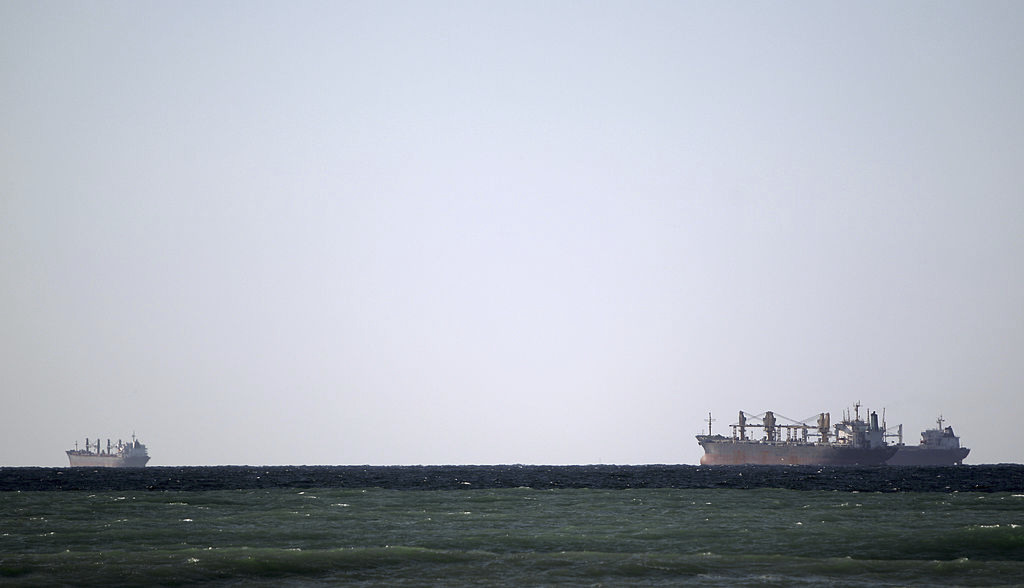
That location matters. Qeshm Island sits just 60 kilometers across the Strait of Hormuz from the United Arab Emirates (UAE). That is roughly the distance from Manhattan to Philadelphia, and far shorter than most successful Mediterranean crossings from Syria to Europe.
If Iran's current instability deepens into a full crisis, Iranians may well attempt these crossings by boat. The proximity of Iran to the UAE makes it virtually inevitable.
Once boatloads of people fleeing Iran appear in UAE waters, the sequence becomes predictable. Media coverage will be immediate and global. The UAE will accept refugees. Iran -- regardless of UAE intentions -- will see this as the UAE helping their citizens escape during a national emergency, and most probably retaliate.
In Middle Eastern political contexts, the relationship between the government and the governed runs like an extended kinship network, not a Western social contract. The bonds run deeper than policy or politics. When you threaten to separate people from their state during a crisis, it is as if you are ripping apart a family. The response might not be measured -- it may well be extreme.
Consider what just happened between Saudi Arabia and the UAE. On December 30, 2025, Saudi Arabia, regardless of UAE intentions, bombed the Yemeni port of Mukalla. The UAE and Saudi Arabia are close allies -- members of the same Gulf Cooperation Council, partners in the same military coalition fighting Houthis in Yemen and others for nearly a decade.
If close allies can come to blows over Yemen, Iran -- already viewing the UAE with suspicion -- will almost certainly retaliate over what it sees as the UAE helping its citizens escape. Iran-backed forces already struck Abu Dhabi in 2022 over UAE involvement in Yemen. A refugee crisis could trigger worse.
Iran partially controls the powerful pressure point, the Strait of Hormuz, through which roughly one-fifth of global oil supplies transits, mostly to Europe and Asia. Iran has threatened this chokepoint during conflicts far less severe than a refugee crisis. A regime facing collapse may likely use every means of leverage available -- and Iran's most powerful lever is the Strait of Hormuz.
Sara al Nuaimii is an Emirati writer living in Abu Dhabi.
Source: https://www.gatestoneinstitute.org/22174/iran-uprising-hormuz
No comments:
Post a Comment