by Alex Traiman
In an interview with JNS conducted during Prime Minister Narendra Modi’s visit, Gila Gamliel hails growing cooperation in space, defense and agriculture.
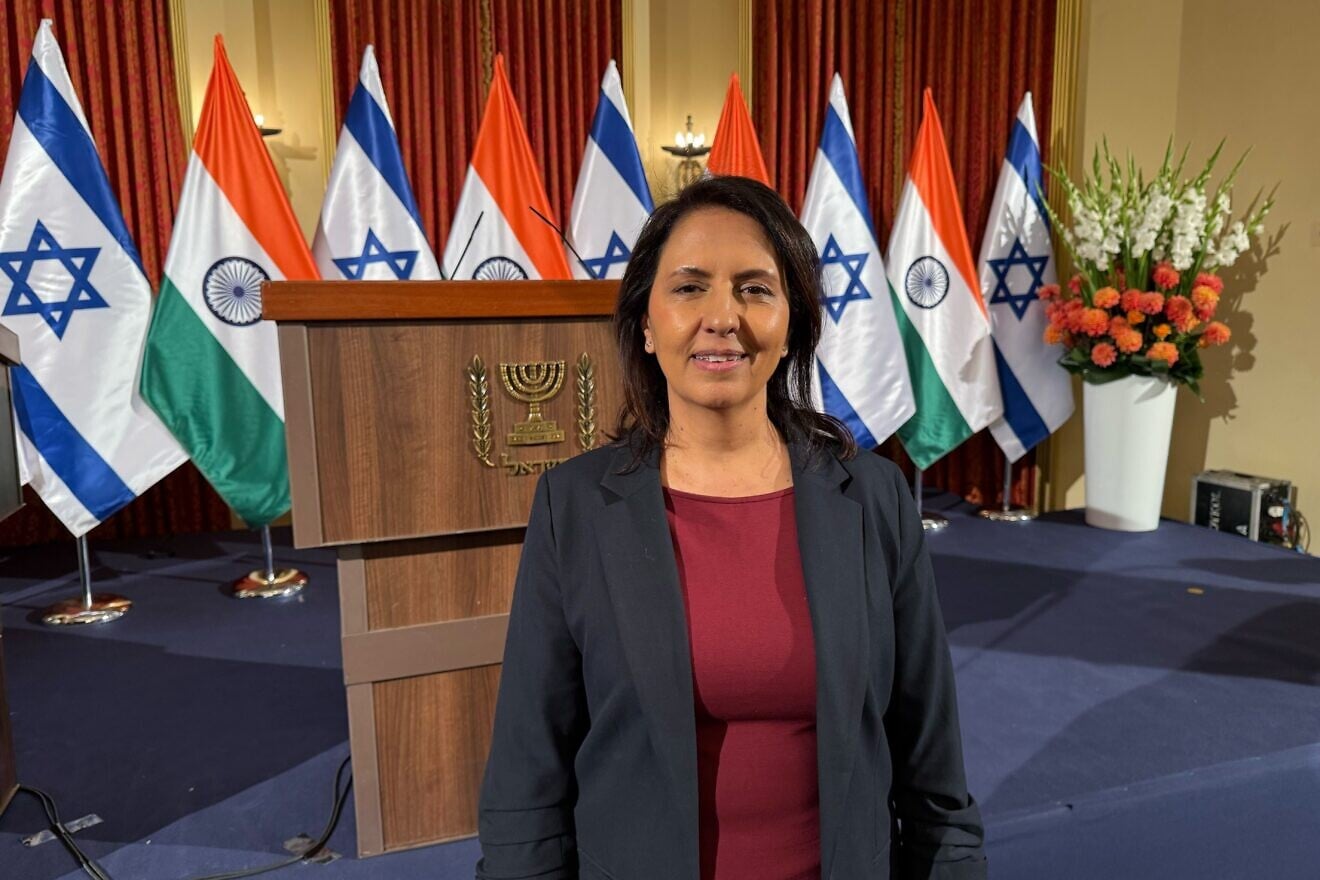
In an exclusive interview with JNS CEO and Israel Bureau Chief Alex Traiman on Thursday, Israeli Innovation, Science and Technology Minister Gila Gamliel said expanding cooperation with India—from space and defense technologies to water and agriculture—could propel both nations to new economic heights, as Prime Minister Benjamin Netanyahu hosted Indian Prime Minister Narendra Modi in Jerusalem this week to deepen bilateral ties amid mounting regional tensions with Iran.
Alex Traiman: Minister Gamliel, we understand that Israel and India have just signed a new agreement to share knowledge and expertise. What are the key areas of cooperation?
Gila Gamliel: Yes, we signed an agreement to share our knowledge. There are so many areas of collaboration. India, for example, is very advanced in space technology. There are huge opportunities, especially now.
Q: How does Israel benefit from India’s space capabilities?
A: It helps a lot. You saw what happened in the recent war against Iran—now everything is about defense from space. And it’s not only defense; it’s also about intelligence. In the future, I believe it will be like what we used to imagine as kids watching Star Wars, a reality of space-based defense and intelligence operations. Unfortunately, that’s where the future is heading.
Q: Many people aren’t aware that India has become a global space power. How did that happen?
A: Yes, not many know, but it’s true—India is really good in this field. They have vast experience and made it a national goal to lead in space technology. They’re very advanced. On our side, Israel can bring a lot in innovation—especially in agriculture—where we can help, connect, and share our expertise.
Q: When we talk about sharing agricultural knowledge and water desalination technologies, what kind of economic potential are we talking about for Israel?
A: It’s huge, really huge. Once things move beyond agreements and become practical, the sky is the limit. We’re talking about potential in the billions of dollars.
Q: Do you expect to see more Israeli delegations traveling to India?
A: Yes, of course. Strategically, we decided to focus more on strengthening connections and increasing agreements with countries in the Pacific region, and India is at the forefront of that effort. This is where 65% of the world’s population lives, and it’s where the main economic potential now lies. Our ministers—finance, economy and others—are traveling there. The prime minister has already visited, and two weeks ago my own professionals returned from India. There is enormous potential for cooperation.
Q: Can you expand on the IMEC [India–Middle East–Europe Economic Corridor trade route] project and what it means for Israel and the region?
A: I hope it succeeds, because it could completely change the opportunities for all the states that join. I hope it happens as soon as possible. But in Israel we must reduce bureaucracy. That’s one of our biggest obstacles.
Q: What’s causing the bureaucratic holdup?
A: In Israel, if you want to build something—for example, a road—you need to go through many legal and procedural steps. Infrastructure planning can take six years. That’s too long. We’re now reforming the system, as we did with AI policy, to make everything faster and more efficient.
Q: From a security perspective, how important is it to stabilize the Middle East in the current environment?
A: Security-wise, we can handle our challenges. What’s really needed is to fix the bureaucracy, then everything will move much faster.
Q: Regarding water desalination—how can Israel help India in that area?
A: Israel can help a lot. India needs solutions in this field. As Prime Minister Modi said yesterday, he plans to build 100 agricultural and professional centers across India. These centers will open the door to deep cooperation between Israeli and Indian companies. It’s a major opportunity.
Q: What kind of message does it send that Prime Minister Modi—leader of 20% of the world’s population—is standing alongside Prime Minister Netanyahu on the eve of possible regional conflict with Iran?
A: It’s amazing. Especially in these times, to see Prime Minister Modi putting everything aside and standing hand in hand with our prime minister shows the strong personal and national relationship between our countries. Yesterday, Prime Minister Netanyahu and his wife wore traditional Indian clothing to emphasize how deeply they appreciate this friendship.
With all the agreements we have now, the future relationship between our nations will be immense—we’ll advance together in every field. We truly thank Prime Minister Modi from the bottom of our hearts for his partnership.
Alex Traiman
Source: https://www.jns.org/exclusive-israels-innovation-minister-on-deepening-india-ties/
No comments:
Post a Comment