by David Isaac
Iran has effectively closed the Strait of Hormuz, through whch 20% of the world’s petroleum supply normally passes.
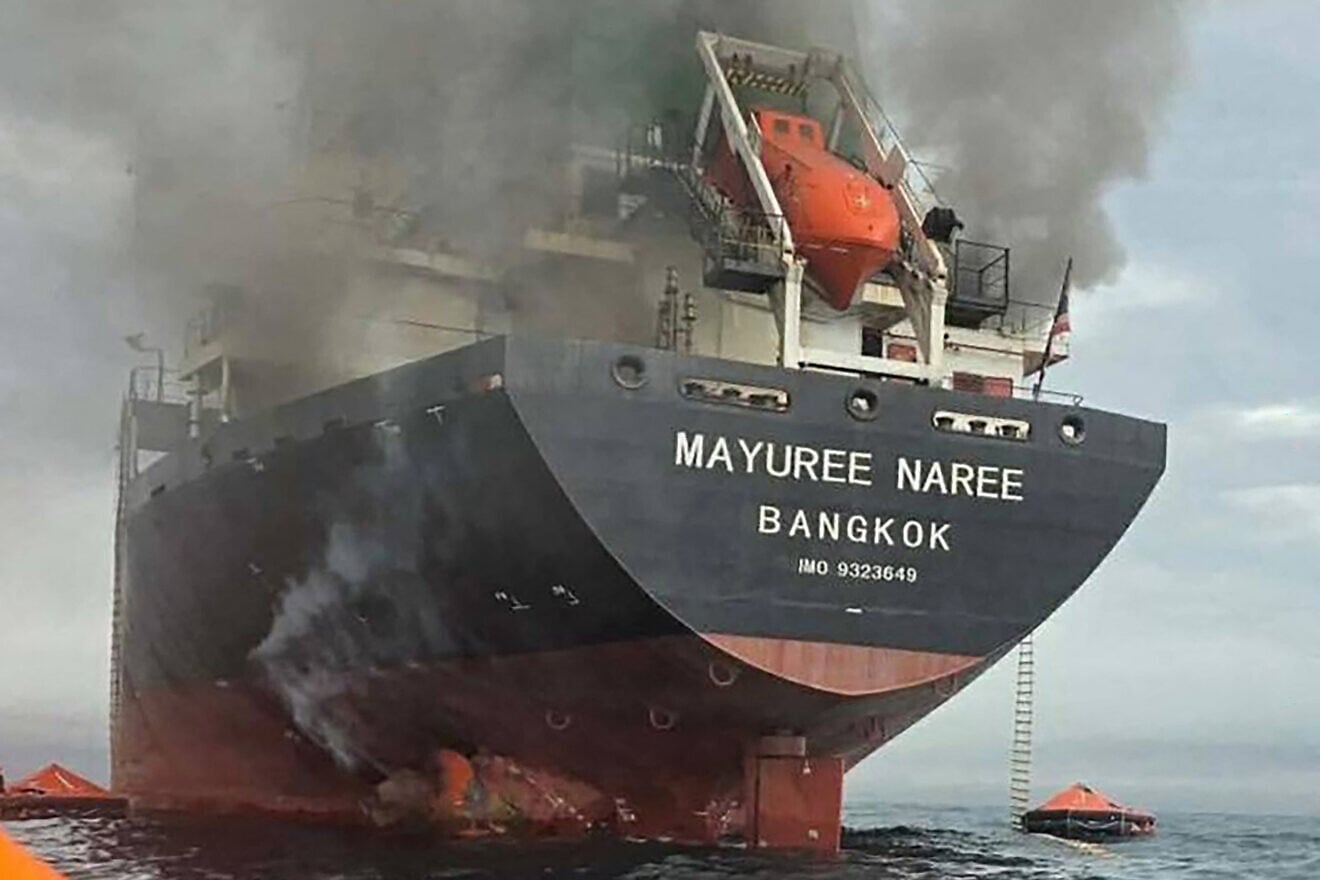
Iran on Wednesday threatened a “war of attrition” that would destroy the global economy as it targeted oil tankers and neighboring energy infrastructure.
Rear Adm. Ali Fadavi, adviser to the IRGC commander-in-chief, a member of the military’s “war command room” and former deputy commander of the Islamic Revolutionary Guard Corps, told Iranian state television on Wednesday that the U.S. and Israel “must consider the possibility that they will be engaged in a long-term war of attrition that will destroy the entire American economy and the world economy.”
Saudi Arabia’s Defense Ministry reported on Thursday that its air defenses intercepted a drone heading toward the Shaybah oilfield. Iranian attack boats set fire to two Iraqi fuel tankers near the Iraqi port city of Basra earlier that day.
On Wednesday, three merchant vessels were hit near the Strait of Hormuz by “unknown projectiles.” One Indian sailor was killed.
Iran has effectively closed the Strait of Hormuz, which accounts for 20% of the world’s oil supplies, about 25–27% of all seaborne oil trade.
One-hundred fifty tankers sit at anchor outside the Strait, Container News reported on Thursday. Before hostilities began on Feb. 28, 140 to 150 vessels transited Hormuz daily. In the first week of March, that number sank to between one and four, reported the news site, which covers the container shipping industry.
Iran reportedly laid a few dozen mines at the Strait on Tuesday. The Washington, D.C.-based Institute for the Study of War said that Iran likely doesn’t want to heavily mine the Strait as it transports its own crude through Hormuz.
On Tuesday, U.S. Central Command (CENTCOM) posted to X that its forces eliminated numerous Iranian naval vessels on Monday, “including 16 minelayers near the Strait of Hormuz.”
U.S. forces eliminated multiple Iranian naval vessels, March 10, including 16 minelayers near the Strait of Hormuz. pic.twitter.com/371unKYiJs
— U.S. Central Command (@CENTCOM) March 10, 2026
President Donald Trump put the number higher during a visit to Ohio on Wednesday, telling reporters, “They started talking about mines, so we hit 28 mine ships as of this moment.”
Brent crude oil surged past $100 a barrel Thursday as Iran said the world should prepare for $200 a barrel.
Before Feb. 28, Brent crude was trading at around $70 per barrel and West Texas Intermediate (WTI) at around $65 per barrel.
International Energy Agency (IEA) Executive Director Fatih Birol said on Wednesday that member states agreed to release a total of 400 million barrels from their strategic reserves of oil, calling it a “major action” geared at relieving the oil disruption.
As part of that 400 million, the U.S. will release 172 million barrels of oil from its strategic petroleum reserve, Energy Secretary Chris Wright said on Wednesday.
The White House has expressed confidence it can weather short-term price spikes, with Trump saying a temporary surge in prices is “a small price to pay” to bring down the Islamic Republic.
“Short term oil prices, which will drop rapidly when the destruction of the Iran nuclear threat is over, is a very small price to pay for U.S.A., and World, Safety and Peace,” he said in a Truth Social post on March 9.
The main concern for Republicans is that rising oil prices will hurt their chances in the Nov. 3 midterm elections. A March 9 Quinnipiac poll found that more than seven in 10 U.S. voters (74%) are concerned that the war will cause oil and gas prices to rise.
David Isaac
Source: https://www.jns.org/tehran-targets-oil-supply-threatens-to-bring-down-world-economy/
No comments:
Post a Comment