Yasser Hadaya Asadi emphasized his commitment to serving the state in an interview with JNS as he takes over the Adumim Battalion in the Jerusalem envelope.
After becoming the first Arab Muslim citizen to take over command of a frontline Israeli Border Police battalion in the Jerusalem area, Yasser Hadaya Asadi declared, “The sky is the limit.”
The 52-year-old married father of three discussed his journey and significant milestone with JNS after graduating from the national police Staff and Command Course as the only Muslim among 107 new senior officers on Dec. 25, receiving the rank of deputy commissioner.
As he began his new role this week, his first task was to lead Adumim, one of three Border Police battalions securing the Jerusalem envelope, bringing with him three decades of operational experience and a deeply personal story of service and sacrifice.
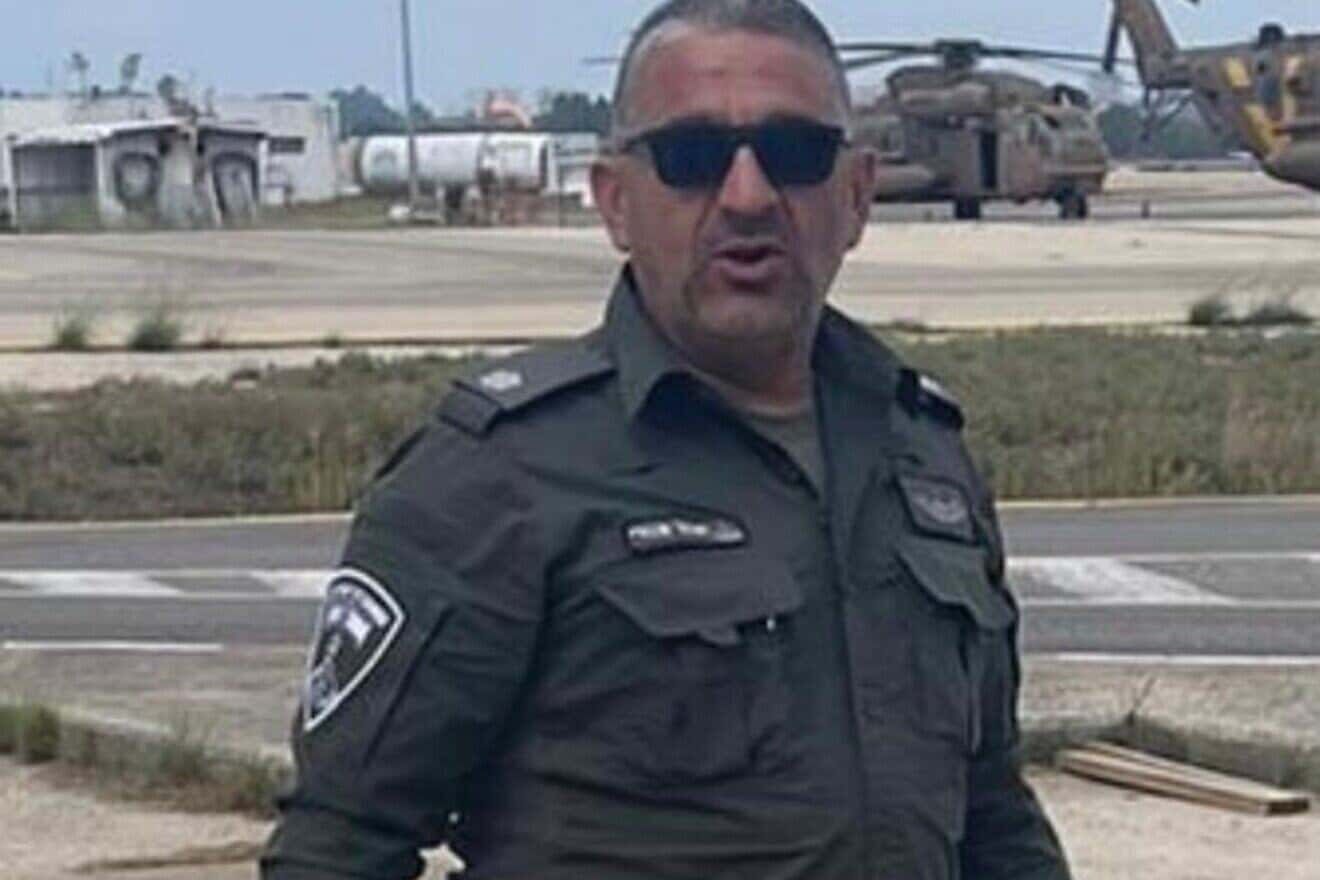
The Adumim Battalion operates in and around the Ma’ale Adumim area and key surrounding roads and communities to counter terrorism, maintain public order and protect Israeli civilians.
“I am something of a trailblazer. About 30 years ago I understood that living in the State of Israel, we have a duty to serve as full citizens, and that this is part of my path and my guiding principle: to integrate all young Muslims into the security services of the State of Israel, so that they take part in bearing the burden. That is part of my challenge,” Asadi said.
During the discussion, he emphasized that his decision to enlist as a young Border Police combatant before steadily rising through the ranks was influenced by his brother’s sacrifice in the Lebanon War.
Sgt.-Maj. Hassan al-Hadiya Asadi, a Border Police combatant, was killed in the 1983 Tyre disaster during the First Lebanon War, a sacrifice that Asadi describes as a defining moment for his sense of identity and duty as an Israeli Arab Muslim.
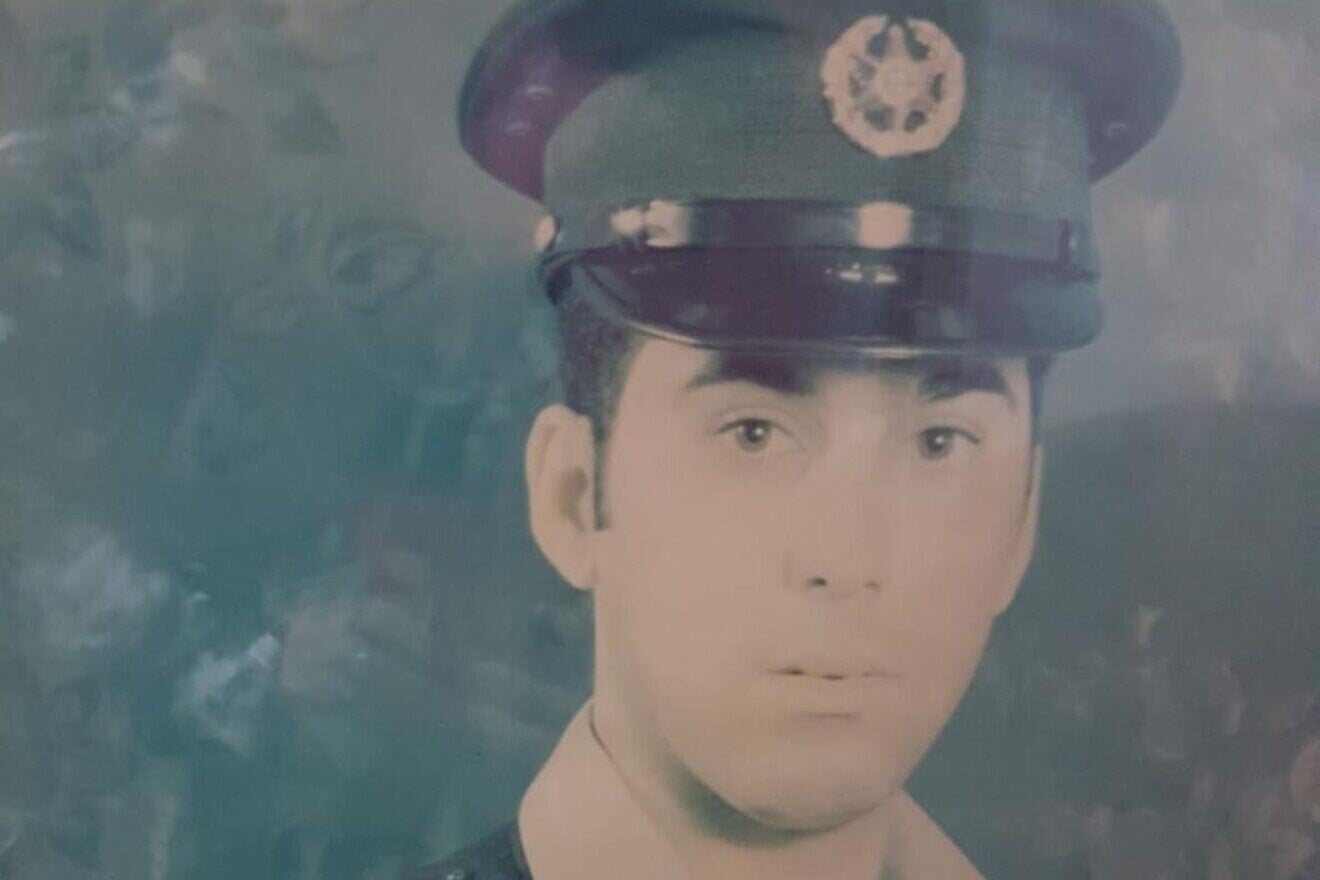
Asadi recalled that his father was “one of the simple men of the village, a simple Muslim man, raising ten children,” and that his fallen brother “was number two in the family.” He said that when officials asked his father whether he wanted a military or police funeral, “he said: My son chose to be a police officer… The funeral will be a military funeral, wrapped in the flag of Israel. We were born in the State of Israel; we are citizens of the State of Israel.”
“That strengthened in me the feeling of belonging and identity,” Asadi explained, noting that by age 19 he understood he “must serve the state” and give the service he owes as a citizen. From that point, he said, he became a trailblazer whom village youth saw as a role model, and reaching battalion command in the Border Police is, in his words, a “significant, powerful and demanding” achievement that gives people a sense of security.
Married to Jihan and the father of three, Asadi today heads a household steeped in uniformed service: two of his children are prison guards in the Israel Prison Service, and a third previously served in the Border Police.
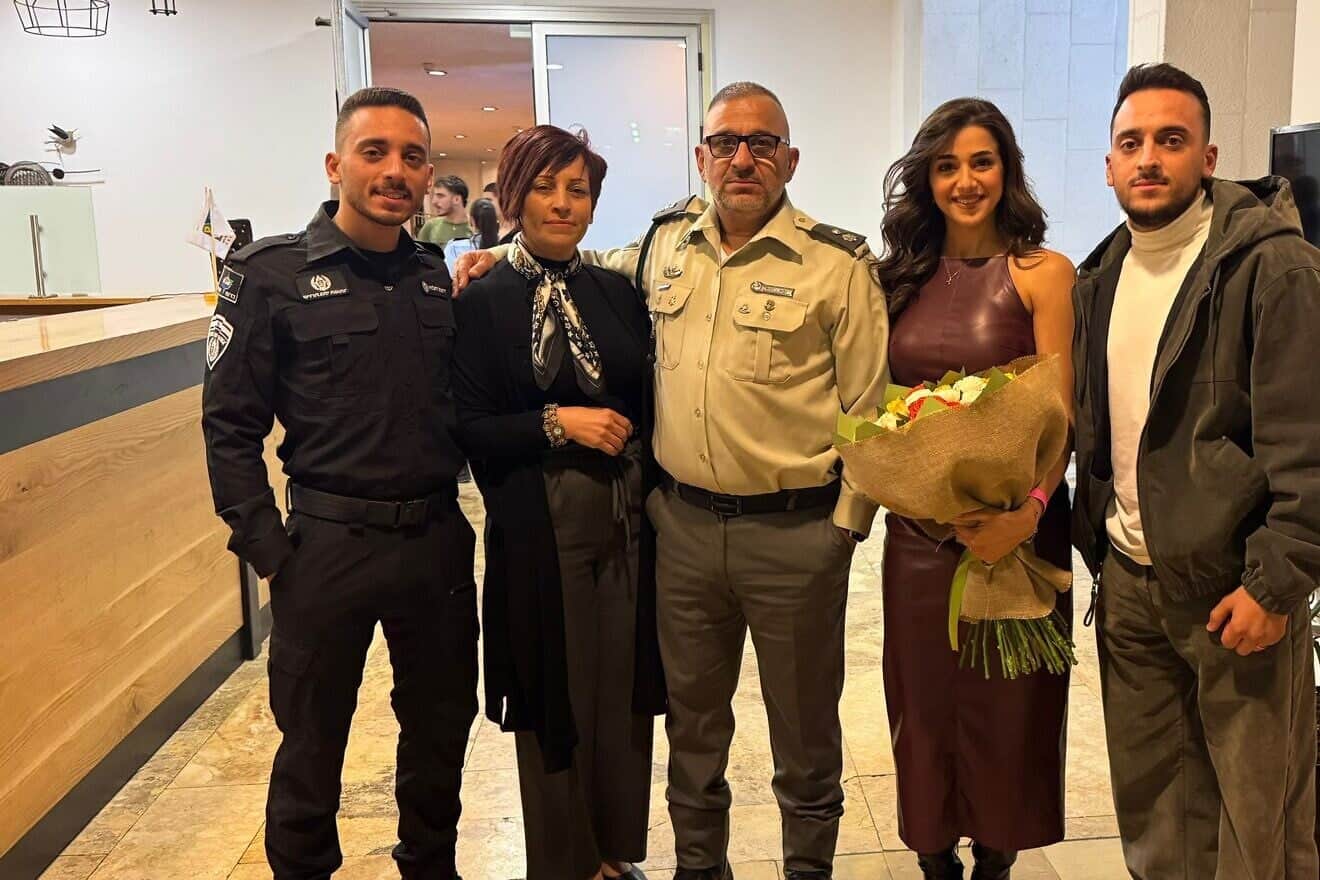
“As a family, today I direct my children to a path in which first you must serve, and only afterwards break out and continue in our lives. I did not have that at age 18–19, but I managed to do it on my own, because I believed in the path, I believed that I am an Israeli citizen… I am an Arab Muslim, proud to be an Arab Muslim. I was born an Arab Muslim, I am proud, and I do things in the best way possible,” Asadi explained to JNS.
Asadi describes himself first and foremost as a full citizen of the State of Israel—an Arab Muslim born in the country—who, like Jewish and Druze citizens, sees the security service as both a duty and a privilege.
Arab citizens of Israel number roughly 2.1 million people—about one-fifth of the country’s population—with the large majority identifying as Muslims, alongside smaller Christian and Druze communities.
He says his promotion sends a message to young Israeli Arabs and Muslims that they can integrate into the security establishment, carry the burden alongside others and still remain proud of their heritage and faith. “Everyone must take part in the burden and be an inseparable part of the state—Jewish, Druze or Arab Muslim,” he said.
“Today, what I do—what I did not receive in the past, when I believed in this as a young man—is to strengthen all the young people and guide them on the right path, to bring them to the stage where they give their part, their duty,” Asadi said.
“This strengthens my belief that a full citizen has many meanings in the State of Israel. When a young person goes to the army, he enters a framework. This framework educates and teaches and brings our Arab Muslim culture to be integrated together with the security forces. That only adds meaning, and that is the path I believed in.”
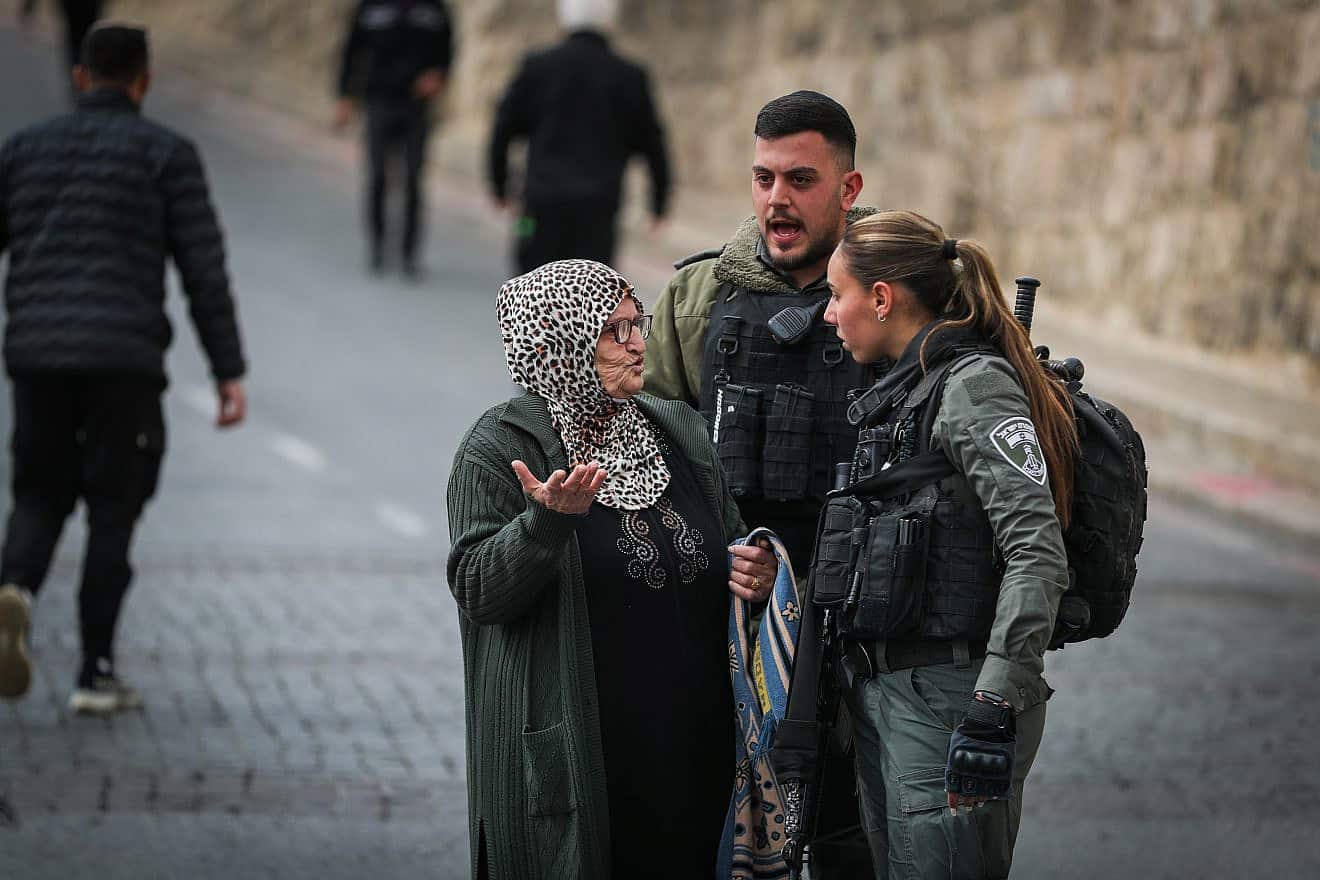
Asked about his main priorities and central challenges in his new role, Asadi stressed giving Israeli citizens a feeling of security so that they can conduct their daily lives—work, school, family—knowing they are protected. The second part is the human aspect: as an Arab Muslim officer in uniform, he wants to ensure that citizens are treated with respect and dignity and that they see the true face of a security officer, while at the same time leading the fight against terrorism in all its forms, with the overarching goal of protecting Israel’s citizens.
The battalion, like the Border Police as a whole, is a microcosm of Israeli society, bringing together Muslims, Jews, Druze, Christians and Circassians from varied ethnic backgrounds; Asadi says his task is to weld them into a single family with one mission—protecting human life.
“First, we are human beings,” said Asadi. “When every officer feels equal and embraced, we can move together on one path toward success and security.”
Joshua Marks
Source: https://www.jns.org/arab-muslim-makes-history-as-israel-border-police-unit-commander/

No comments:
Post a Comment