by Asher Smith
Seventy-five X-rays and CT scans captured severe injuries inflicted by shotguns and high-caliber, military-grade weapons to patients’ faces, chests, and groin areas.
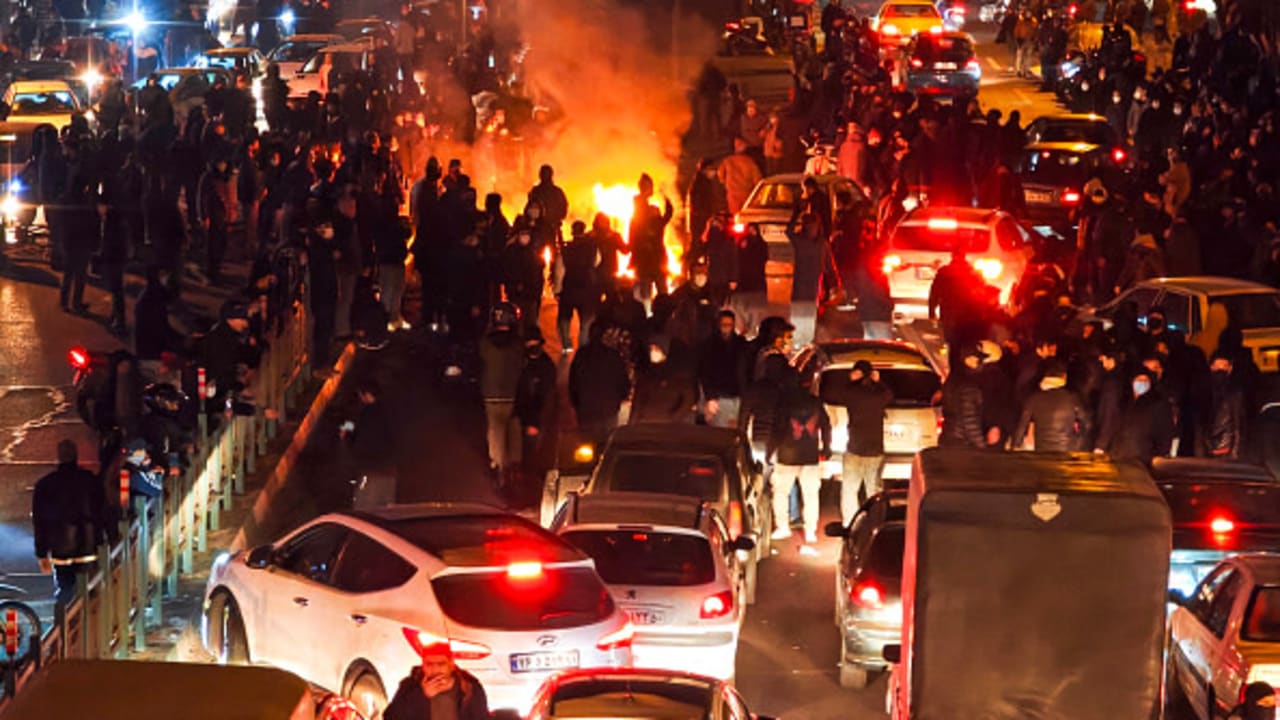 |
Medical records from dozens of protesters treated for gunshot wounds during January’s anti-regime protests in Iran suggest a “deliberate” pattern of targeting vital body parts with lethal force, according to an investigation from The Guardian.
Seventy-five X-rays and CT scans captured severe injuries inflicted by shotguns and high-caliber, military-grade weapons to patients’ faces, chests, and groin areas, according to the report.
A joint investigation by The Guardian and Factnameh, a fact-checking platform focused on Persian news and social media, independently verified and reviewed medical files sent to them by a hospital in a major city in Iran, with assistance from a panel of medical and ballistics experts.
Dr. Rahini Haar, an emergency physician, adjunct professor at UC Berkeley, and medical adviser to Physicians for Human Rights, told The Guardian that the volume and severity of the injuries were “shocking.”
“Using live ammunition and large-gauge bullets against so many individuals is … extremely unusual and notable, even globally,” she added.

Evidence of 'mass casualties' in Iran
A radiologist who also reviewed the files told the outlet that the number of serious gunshot cases represented in the records from a single Iranian hospital was evidence of what he characterized as “absolutely a mass casualty situation.”
He added that, even in large hospitals in the United States, “that would be a mass casualty alert that would overwhelm hospital resources.”
The investigation reported that the 64 cases came from one hospital and included patients with gunshot wounds from steel-coated shotgun pellets and full-metal jacket military-grade ammunition.
Experts consulted by The Guardian noted that advanced imaging, such as CT scans, is typically reserved for patients whose injuries are assessed as treatable. Dr. Haar told The Guardian that the documented cases likely do not represent the full scope of casualties from the January protests.
Individuals with non-survivable wounds or minor injuries would likely not have the same resources dedicated to them, according to the publication’s analysis.
One medic in Iran, whose identity was kept anonymous in the report, told The Guardian that the pattern of injuries seen in the files and recorded in the testimony of other medical professionals in Iran “strongly suggests an intent to cause permanent disability rather than unintended harm.”
“I am still trying to cope with it,” he told The Guardian. “You can only witness so much.”
Asher Smith
Source: https://www.jpost.com/middle-east/iran-news/article-887034

No comments:
Post a Comment