by Emanuel Fabian, Rossella Tercatin
Four lightly hurt, including two babies, by bomblet from Iranian cluster warhead that struck Bnei Bnei overnight as Israel comes under attack before and during holiday’s first night
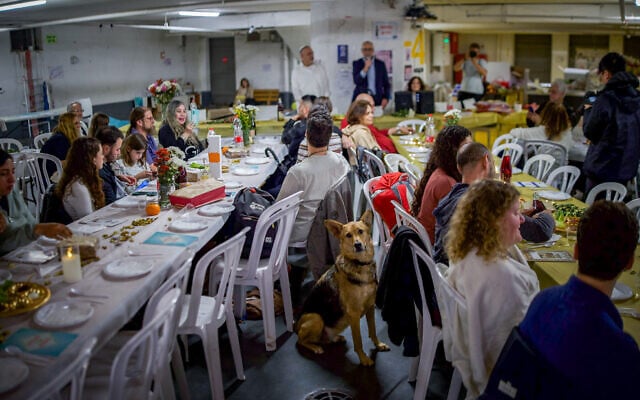 |
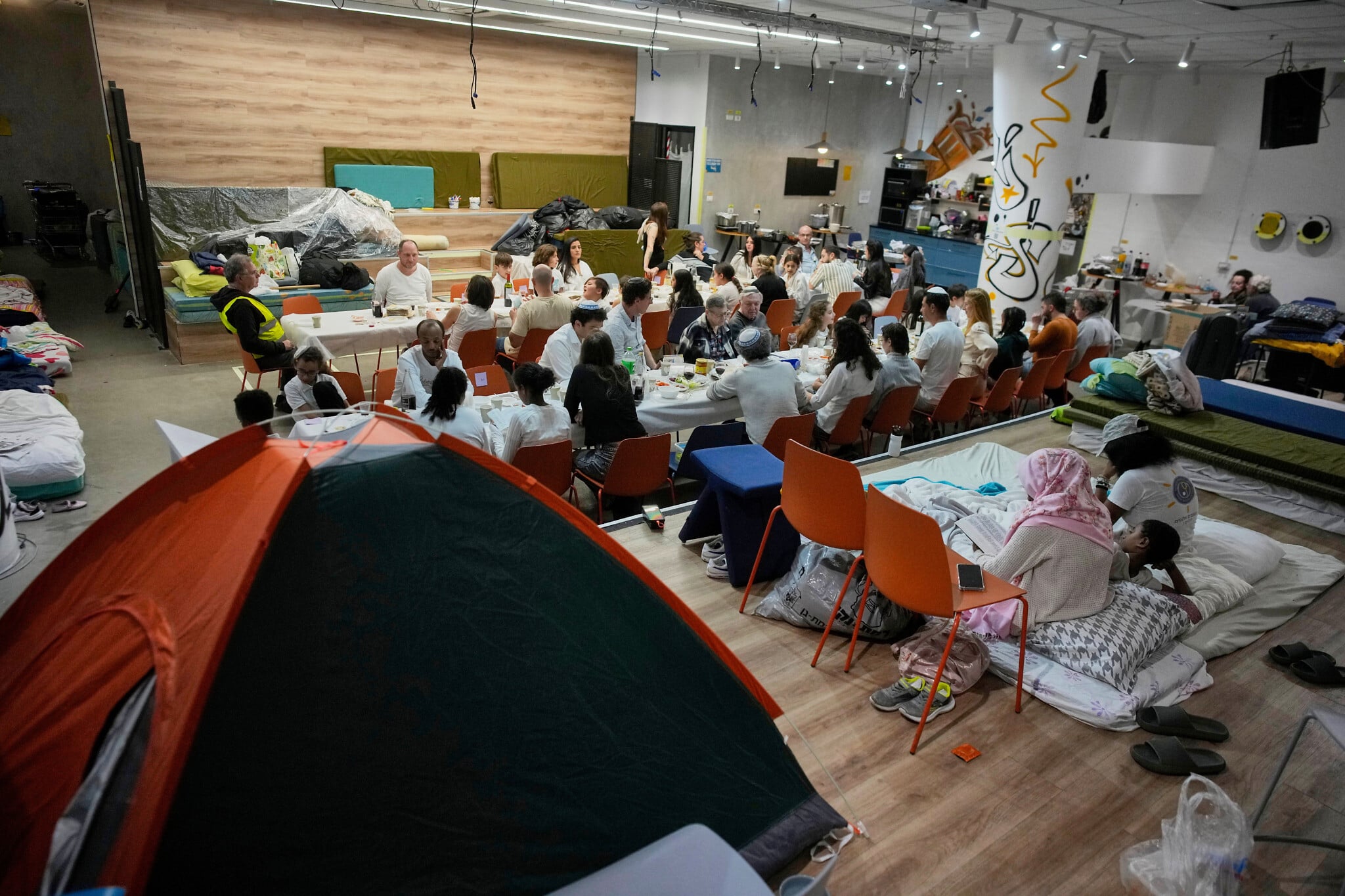
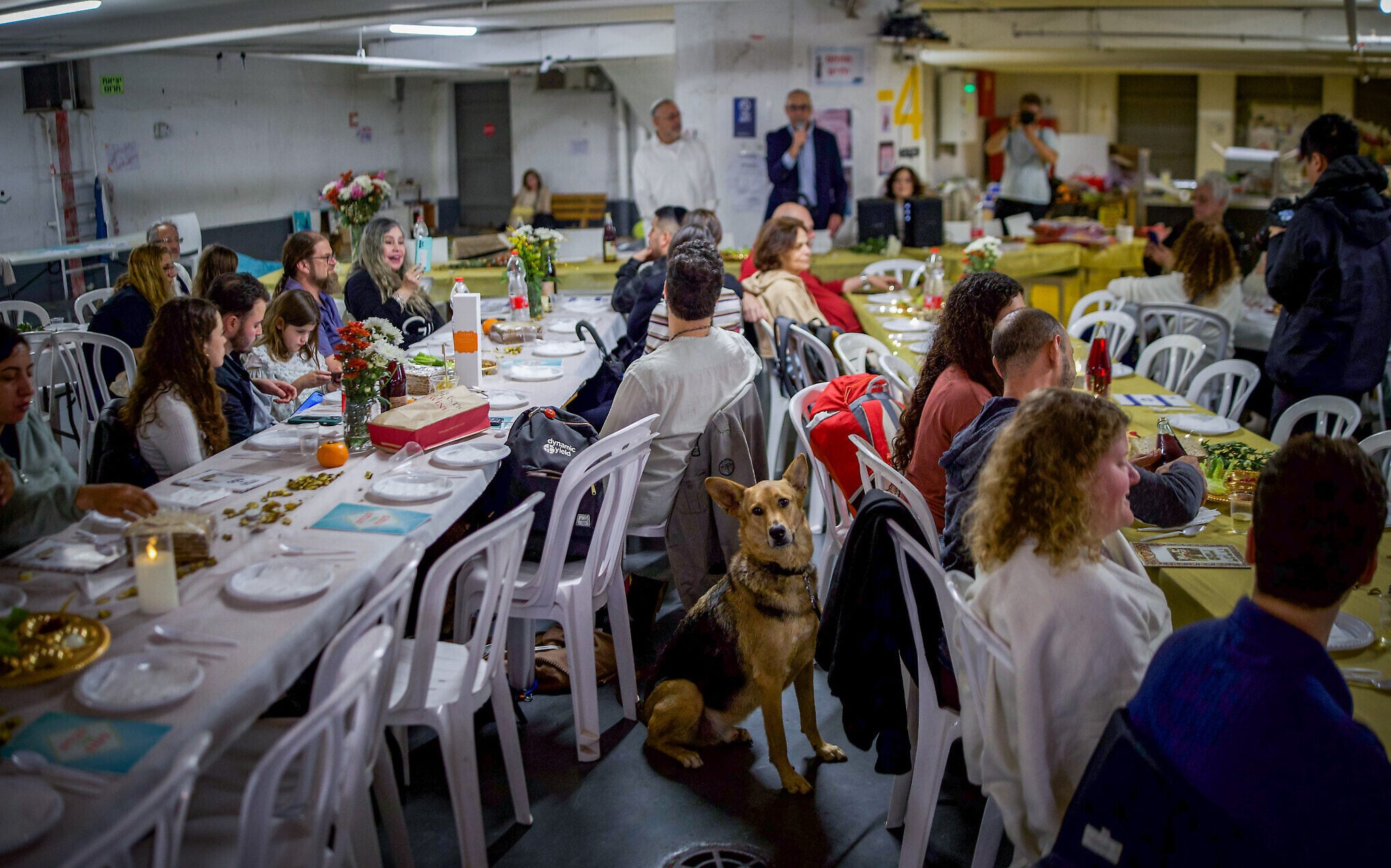
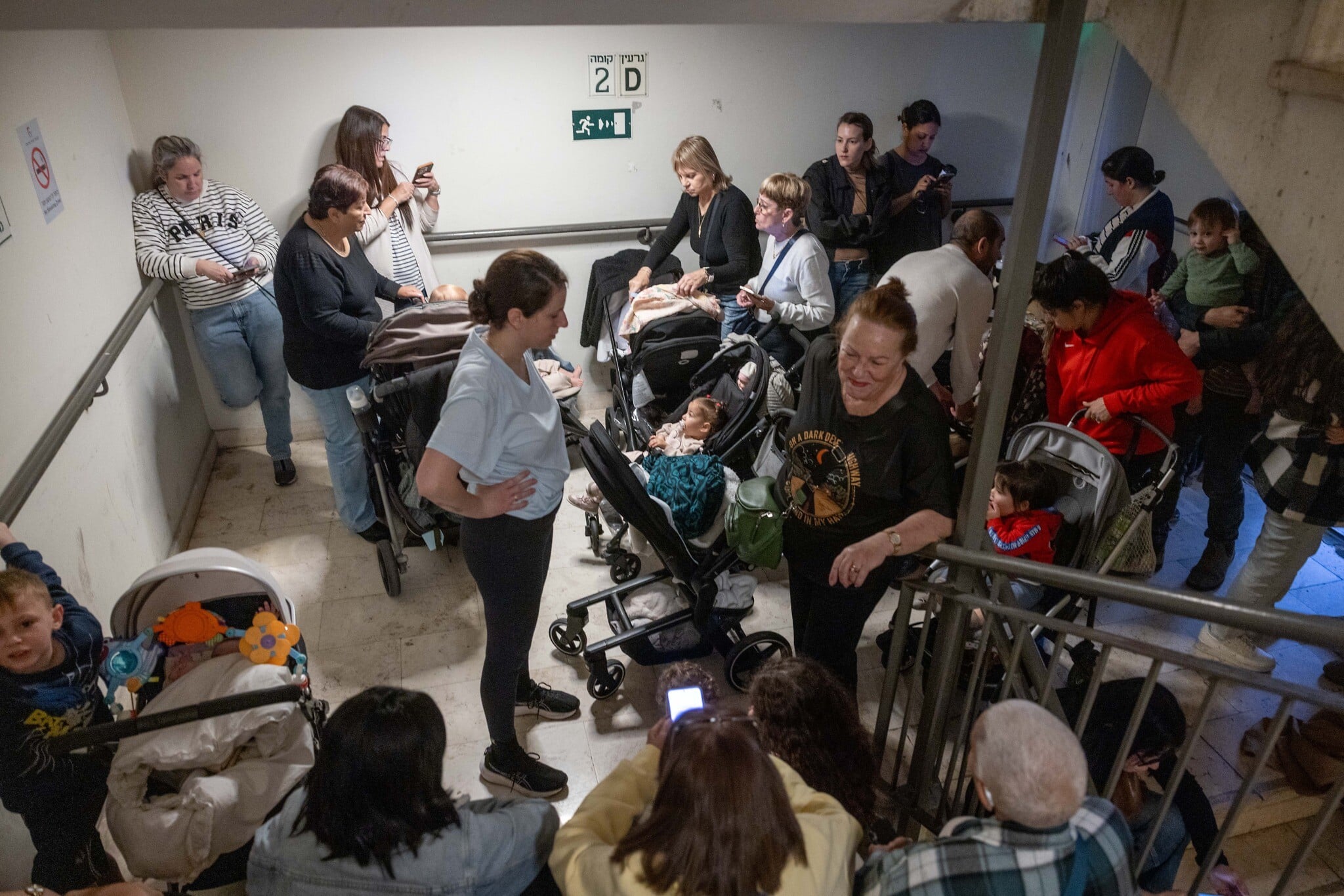
Sirens sounded repeatedly in central Israel Wednesday evening, surrounding the start of Passover, as Iran fired a major ballistic missile barrage and Hezbollah launched rockets from Lebanon, sending millions to bomb shelters and safe rooms as families across the country hosted their Seder meals.
The attacks continued into early Thursday morning, with Iranian ballistic missiles fired at central Israel, the Jerusalem area and the north, while Hezbollah rocket fire from Lebanon triggered sirens near Haifa.
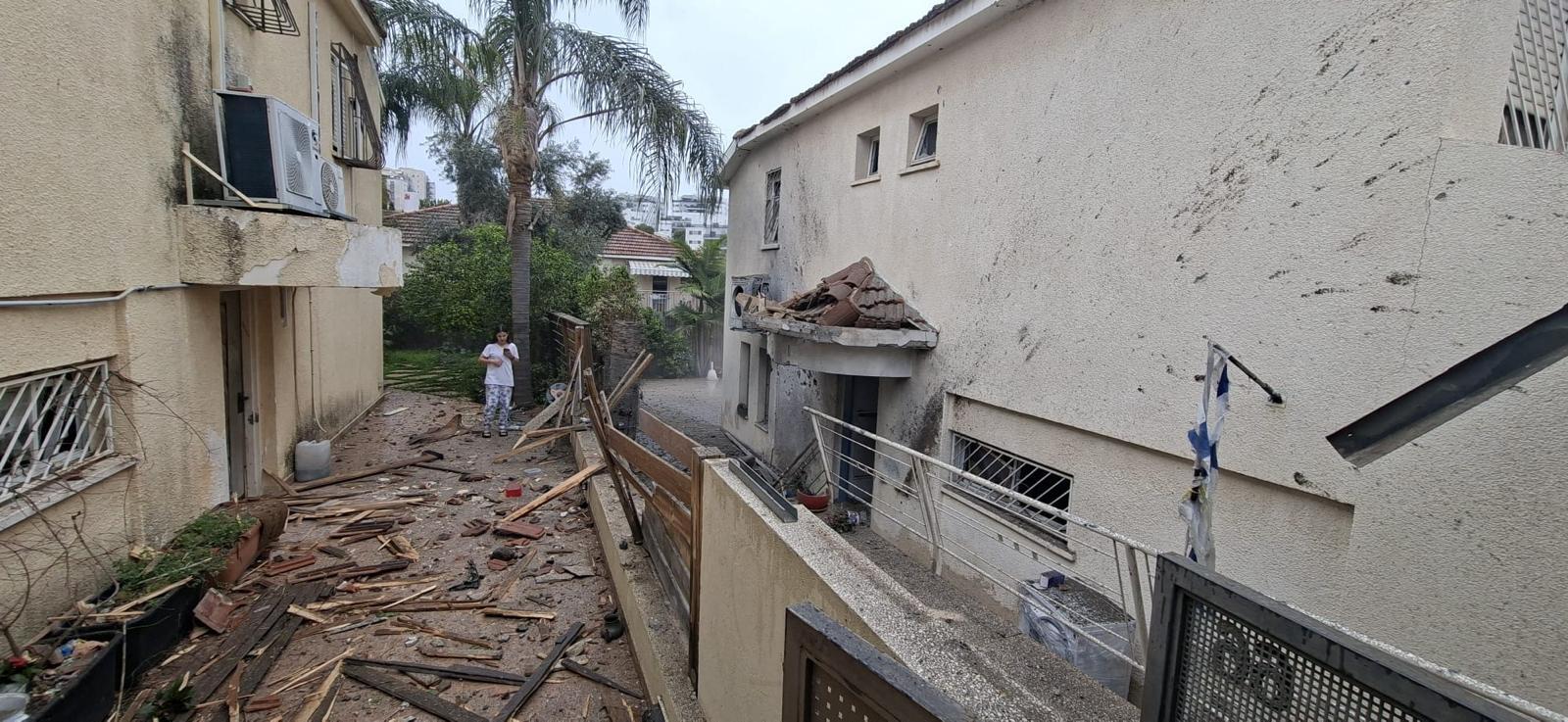
One of the Iranian missiles was carrying a cluster warhead, spreading bomblets across central Israel, with the Magen David Adom ambulance service reporting that a 12-year-old and two 7-month-olds in Bnei Brak were lightly injured from shattered glass.
A 24-year-old was also lightly injured in the same incident, according to MDA. On Wednesday morning there, an 11-year-old girl was injured by shrapnel in another missile strike and she remains in critical condition, the medical service added.
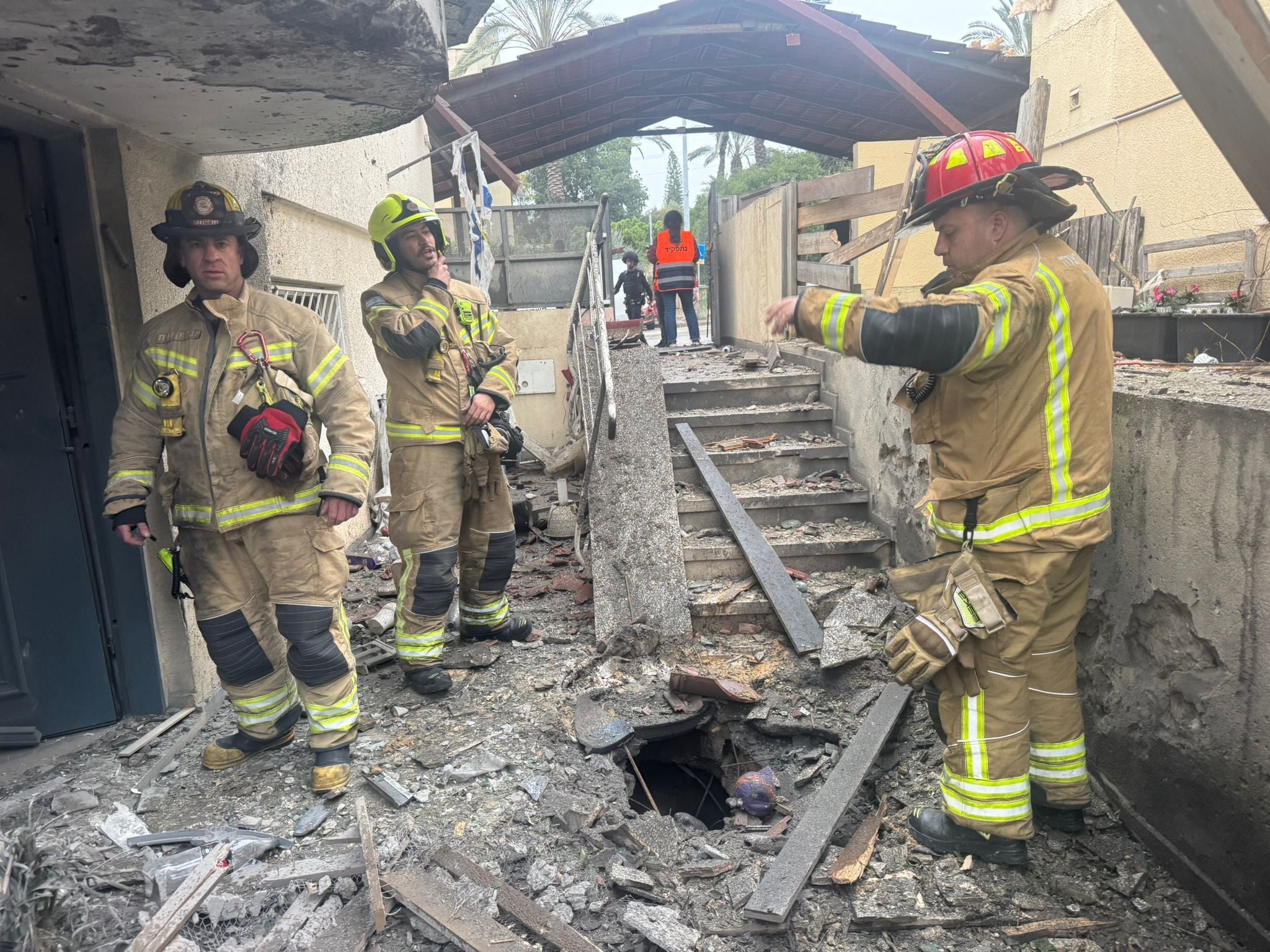
The overnight attack on Bnei Brak also damaged a water main in the city.
עוד פעם בני ברק.
— A dios Le pido 👽 (@Yaronara) April 1, 2026
אין מנוחה לעיר הזאת! pic.twitter.com/dq4RKs02CK
The IDF had previously warned that a missile attack was expected on Seder night, one of the most widely observed Jewish rituals.
According to initial IDF assessments, some 10 ballistic missiles were fired at central Israel, in the largest Iranian salvo on Israel since the early days of the war. Minutes later, sirens again sounded in central and northern Israel, as the IDF detected another Iranian ballistic missile launch, the sixth such salvo of the day.
Around the same time, sirens sounded in the Golan Heights and Galilee due to rocket fire by Hezbollah from Lebanon.
According to the military, most of the incoming missiles were intercepted. Some missiles were allowed to hit open areas, “according to protocol.”
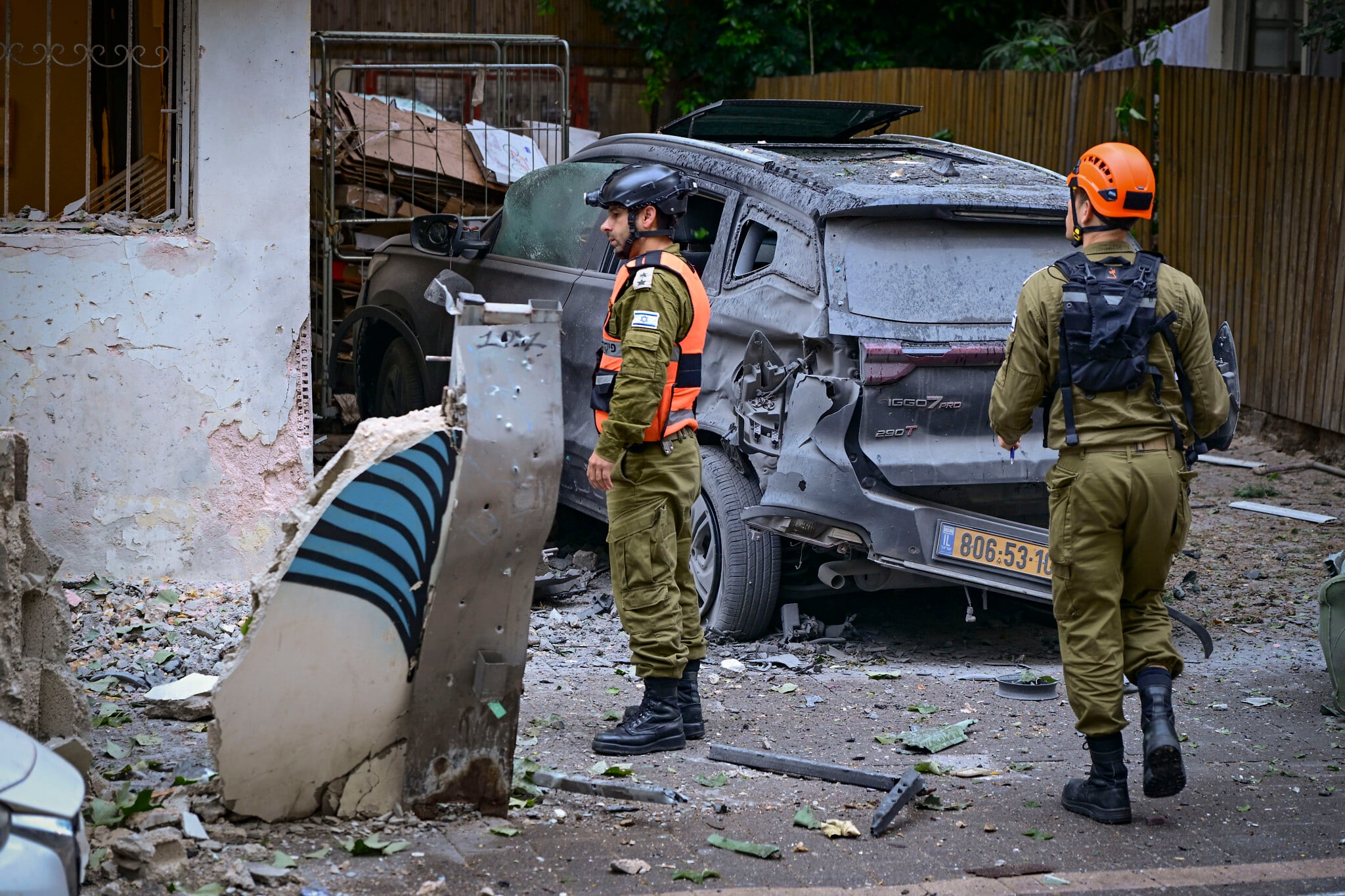
One Iranian missile, apparently carrying a cluster bomb warhead, spread bomblets in central Israel. Rescue forces said damage was caused to homes and cars in the central cities of Rosh Haayin and Petah Tikva. Another bomblet struck a playground in Petah Tikva, causing damage, footage showed. There were no immediate reports of injuries.
תיעוד זירת פגיעת רסיס טיל איראני בפתח תקווה
— כאן חדשות (@kann_news) April 1, 2026
שימוש לפי סעיף 27א' בחוק זכויות יוצרים@hadasgrinberg pic.twitter.com/gRLFKBm2EQ
Iran’s missile fire on Israel had slowed to around 10 to 15 missiles a day in the past two weeks, down from around 90 on the first day of the war. Until Wednesday, Iran had not carried out large missile barrages, with recent attacks composed of a small number of missiles each, usually between one and three.
A short while after Iran’s missile salvo, sirens were triggered once again in central Israel by incoming rocket fire from Hezbollah in Lebanon. According to the IDF, two rockets were allowed to fall in open areas, as they were not intercepted in accordance with the military’s policies.
Hours earlier, IDF Spokesman Brig. Gen. Effie Defrin warned the public of potential attacks by Iran and Hezbollah during the Passover ceremonial feast, saying that the military was on high alert for such an event.
“It is possible that the Iranian terror regime and the Hezbollah terror organization will fire toward the country’s territory, with the aim of harming Israeli civilians during the holiday,” Defrin said in a video statement.
“Our defense systems are deployed and ready to intercept threats across the country,” he said.
“Even on the holiday eve, it is important to remember that the defense is not hermetic,” Defrin said. “I call on you, adhere to the Home Front Command’s instructions.”
Defense Minister Israel Katz made a similar appeal to the public, saying: “I want to wish everyone a happy holiday and ask you to adhere to the Home Front Command’s instructions. They save lives and allow the IDF to continue to strike at the enemies. Thank you very much and a happy holiday.”
IDF continues striking Iran
Meanwhile, the IDF announced that during a wave of overnight airstrikes in Tehran, the air force hit some 15 Iranian weapon production sites.
Among the sites was a “central complex” of the Iranian defense ministry, for the production and development of “advanced” anti-aircraft missiles, the military said.
The IDF said it also struck air defense systems, launch sites, and ballistic and anti-aircraft missile manufacturing and storage sites as part of the wave of strikes.
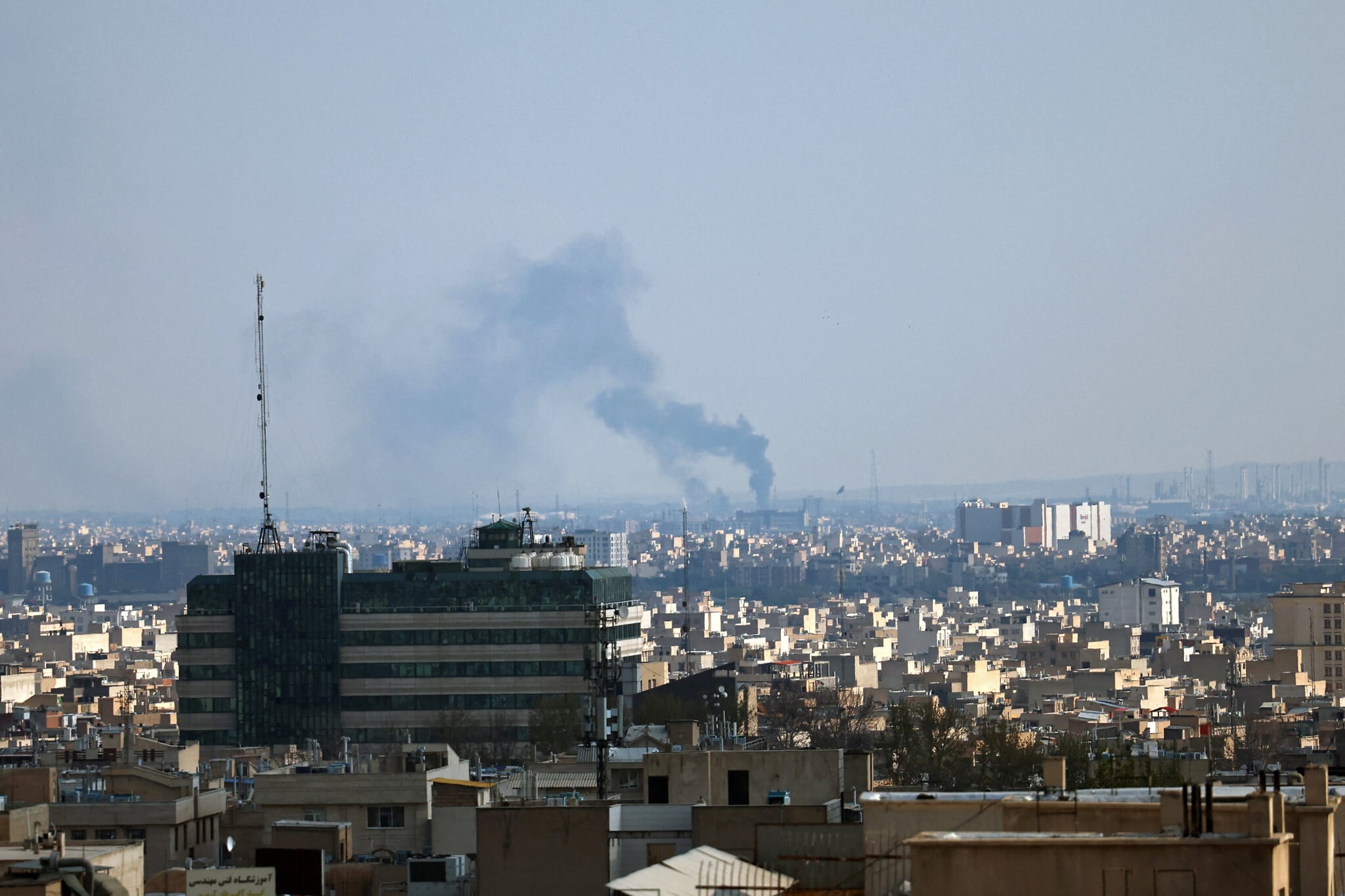
In the past two days, the IDF said it carried out over 400 strikes in Iran, using over 650 munitions.
Western Wall to hold ‘limited’ priestly blessing amid war restrictions
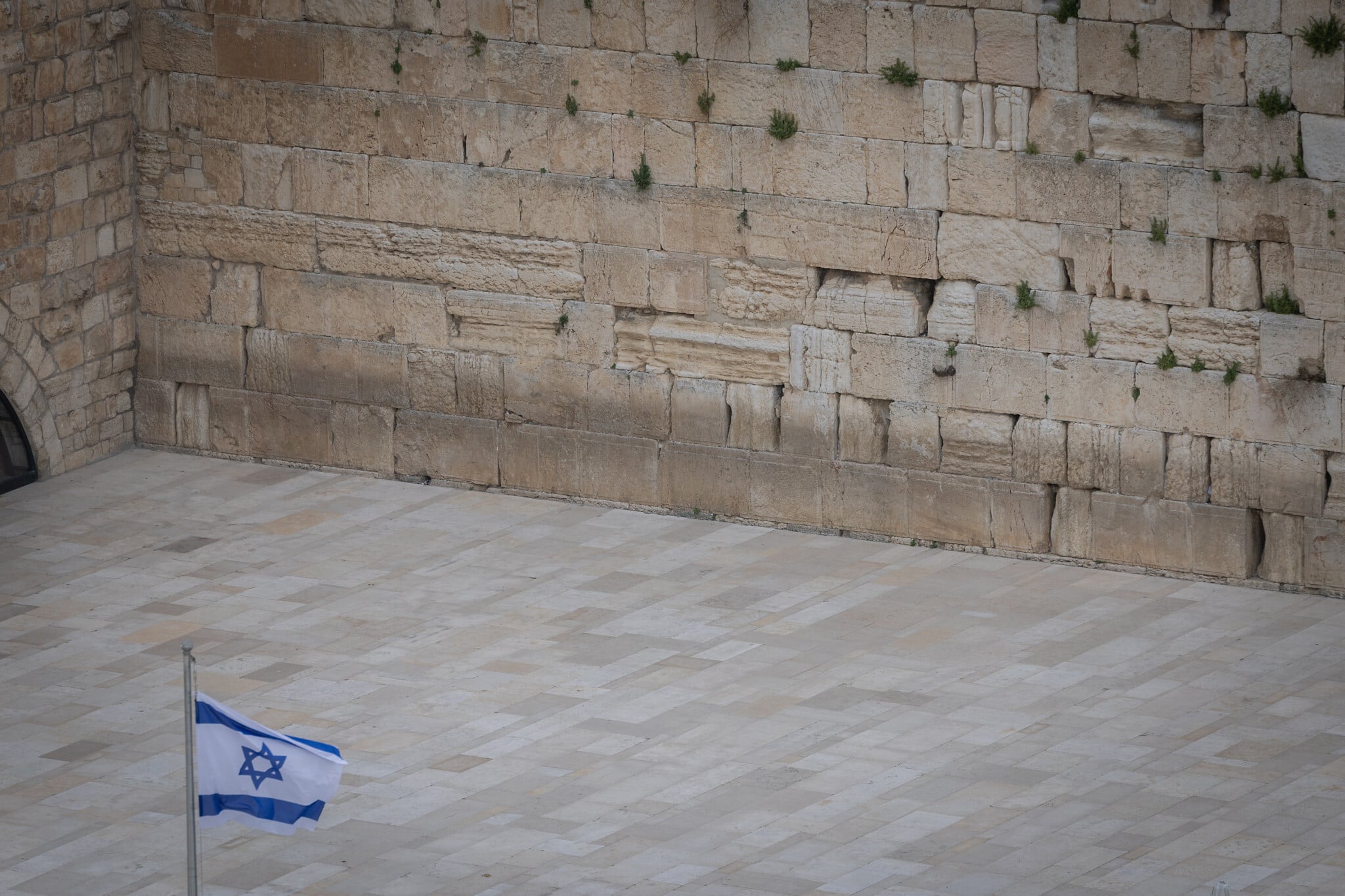
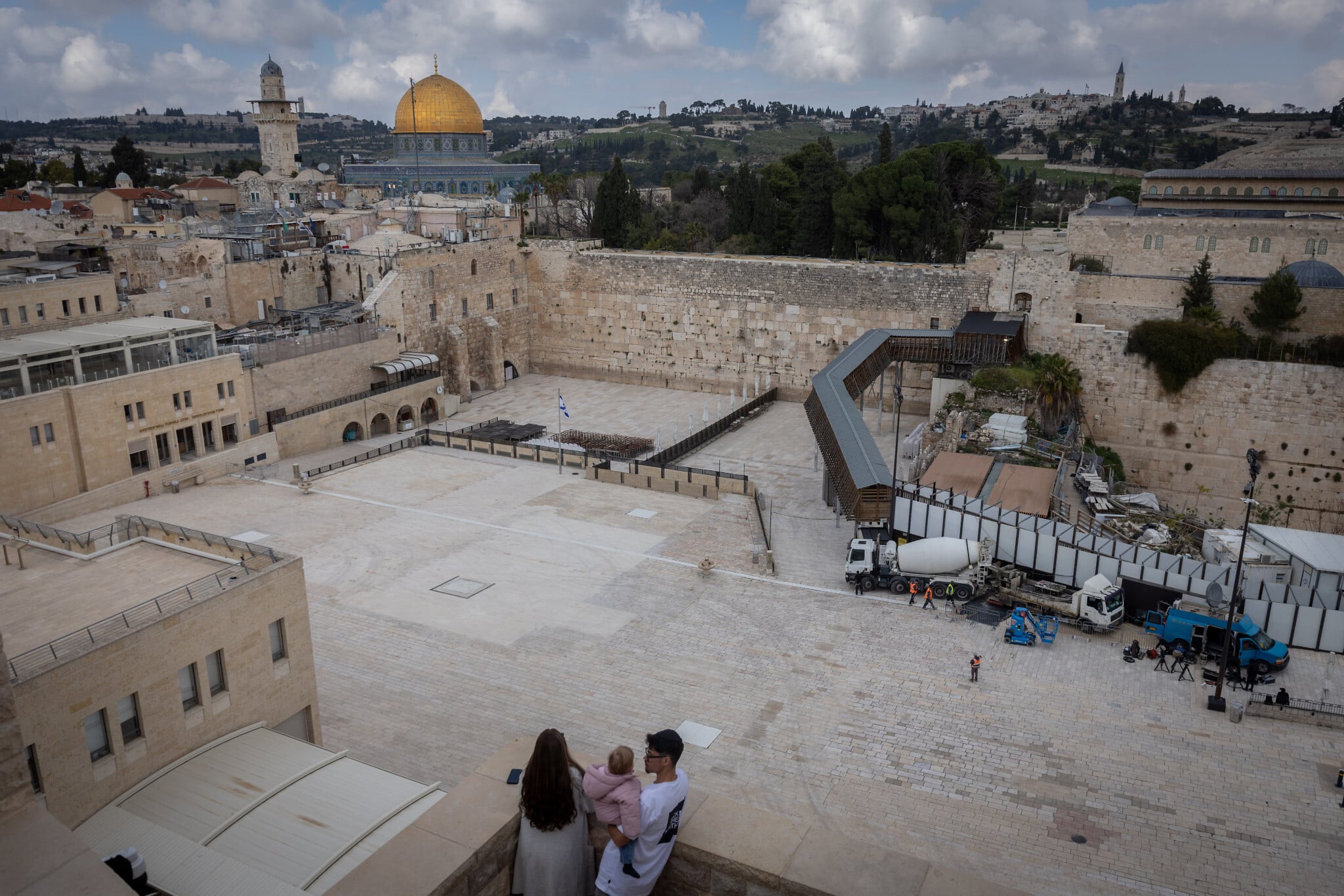
Against the backdrop of the war with Iran, which recently entered its second month, authorities have significantly limited or barred public gathering and worship at the Western Wall in Jerusalem and other significant religious sites.
Both the Western Wall plaza and the Al Aqsa Mosque compound on the Temple Mount have been closed to visitors, and will remain so throughout the holiday, barring any changes.
The Passover priestly blessing, which usually draws tens of thousands of worshippers to the Western Wall, will be held “with a limited prayer quorum,” according to a joint statement by the Western Wall Heritage Foundation, the Israel Police, and the Jerusalem Municipality.
The ceremony generally sees male descendants of the Kohanim, the Jewish priestly caste, gather to bestow a benediction — known in Hebrew as Birkat Kohanim — raising their hands to perform the blessing while wrapped in prayer shawls.
Sunday’s ceremony, however, will include just 50 men who will bestow the blessing. The event will be broadcast live.
Under the Home Front Command’s security guidelines, gatherings and services in Jerusalem can take place with up to 50 people, provided that a shelter can be reached within 90 seconds after bomb sirens go off.
Additionally, police and Christian leaders on Monday announced an agreement to allow Easter services to be held amid the security arrangements. The agreement came together after a spat erupted when the Israel Police blocked the top Catholic officials in the region — Latin Patriarch of Jerusalem Cardinal Pierbattista Pizzaballa and Father Francesco Ielpo, custos of the Holy Land — from praying at the Church of the Holy Sepulchre on the Palm Sunday holiday, an incident which sparked international furor.
Since the beginning of the war on February 28, the Old City and its surroundings, which include sites holy to Judaism, Christianity and Islam, have been hit by fragments of missiles launched by Iran, causing damage but no casualties.
Emanuel Fabian, Rossella Tercatin
Source: https://www.timesofisrael.com/iran-fires-largest-missile-barrage-in-weeks-as-israelis-set-to-sit-down-for-passover-seder/

No comments:
Post a Comment