by Yonah Jeremy Bob
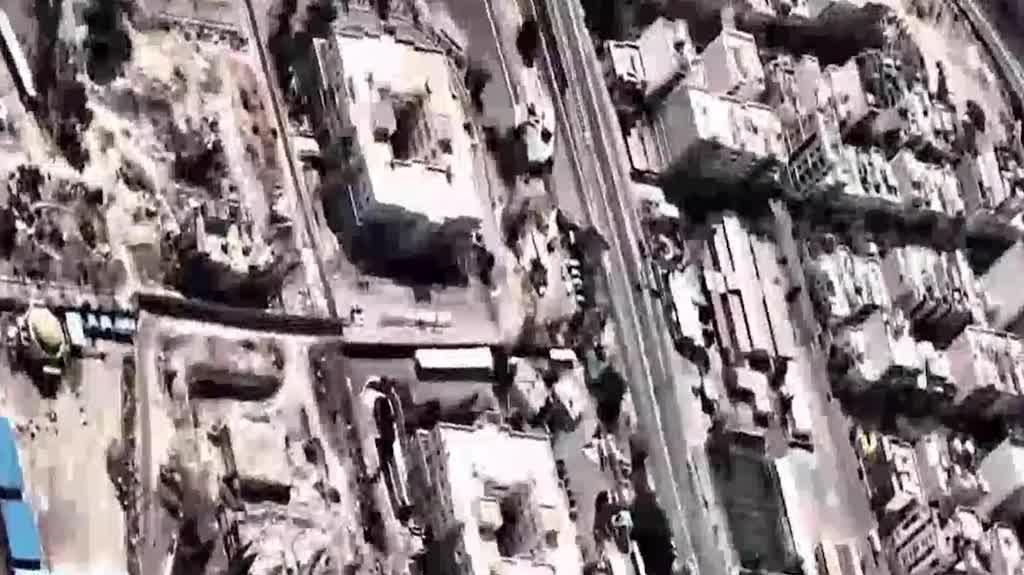
Israel strikes Iran's Tharallah headquarters used to suppress, murder protesters • IDF targets Islamic regime bases, ballistic missile apparatus
 |
Having already dropped 1,200 bombs on Iran, the IDF, along with the US Air Force, is close to achieving air supremacy in Iranian airspace.
This shift could mark an increased capability for Israel and the US to help anti-regime protesters by targeting specific regime forces, including the Tharallah headquarters, which has been used to oppress and mass murder them for the last two months and during prior rounds of protests in recent decades.
In June 2025, it took several days for the air force to achieve such supremacy, which signifies that essentially Iran's anti-aircraft defenses have been so battered that Israeli aircraft and drones can hover over target areas for extended periods without worrying as much about whether air defenses might target them.
Once this is achieved, the ability of the air force to target a wider range of targets constantly exponentially increases.
In light of that trend, as of 10:15 a.m. on Sunday, the air force launched its first major wave attacking specifically Iranian regime targets in Tehran.
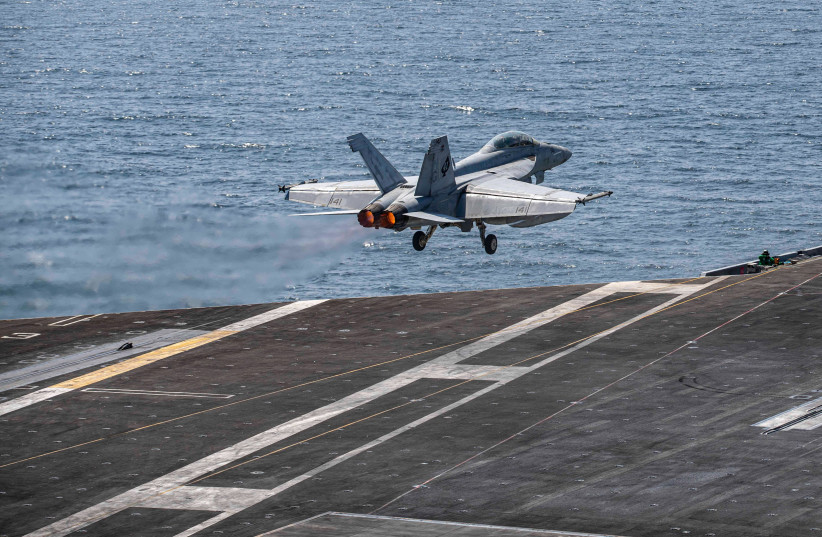
Until now, there were select targeted strikes on Iran's slain supreme leader Ayatollah Ali Khamenei and others, on anti-aircraft defenses, and on missile launchers, but there was less of an ability to focus on the Tehran regime's power on a broader basis.
Earlier on Sunday morning, the IDF announced that it had already dropped over 1,200 bombs on Iranian targets since the start of the war.
The largest air operation in Israel's history
On Saturday night, the IDF had said that over 200 aircraft had struck 500 Iranian targets.
An IDF video showed two major initial waves of attacks.
The first wave struck what appeared to be dozens of radars and anti-aircraft defenses, especially in the part of Iran closer to Israel and the Tehran area.
During the second wave, the air force struck Iran's ballistic missile apparatus to attempt to reduce its ability to strike the Israeli home front.
In the Tabriz area, the IDF struck a major site from which the Islamic Republic has fired dozens of ballistic missiles at Israel.
The IDF is also working to establish air supremacy, which it achieved in June 2025, to be able to keep drones and other aircraft hovering in areas from which Tehran might try to fire on Israel in order to blow up the missile teams before they can fire.
The IDF also announced that it had conducted an additional round of strikes, targeting more of Iran's ballistic missile capabilities as well as its aerial defense systems.
One of the targets struck, the IDF said, was a missile launch site containing hundreds of kilograms of explosives. The site was in the Qom area of central Iran, and its destruction "thwarted dozens of launches toward the territory of the State of Israel."
On Sunday morning, the US said it had struck around 900 Iranian targets.
Yonah Jeremy Bob
Source: https://www.jpost.com/israel-news/defense-news/article-888344

No comments:
Post a Comment