by Hezki Baruch
Judges question the prosecution's attempt to limit Mandelblit's cross-examination, raising concerns over investigative actions and possible abuse of process.
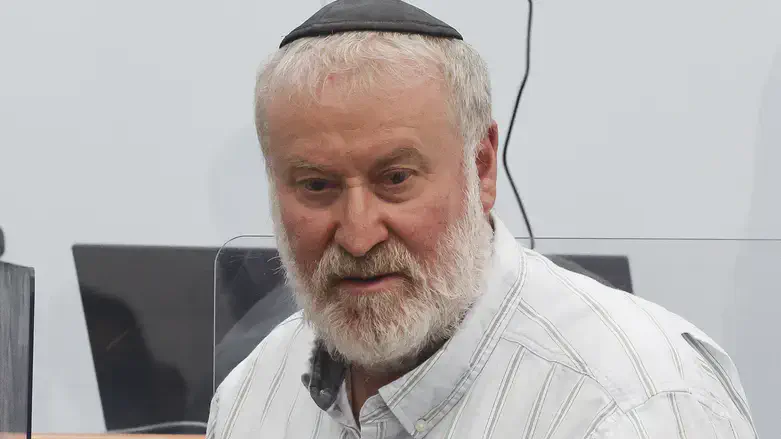 |
| Avichai Mandelblit Oren Ben Hakoon/Flash90 |
A dispute arose Wednesday morning between the prosecution and the judges presiding over Prime Minister Benjamin Netanyahu's trial regarding the scope of the cross-examination of former Attorney General Avichai Mandelblit.
The prosecution sought to prevent the defense from expanding the cross-examination to actions taken by police investigators after receiving Mandelblit's authorization. However, the judges raised questions about the importance of this information in examining the defense's arguments.
At the center of the dispute is whether Mandelblit can be questioned only about his authorization to open investigations against Netanyahu, or also about the extent of his involvement and oversight as the investigations progressed.
Until now, the defense's questioning has focused on decisions made before the authorizations were granted and the circumstances surrounding them. The defense attorneys now seek to examine the investigative actions carried out following those authorizations.
Prosecutor Yehudit Tirosh argued that questions directed at Mandelblit should be limited to matters essential to the proceedings, particularly the authorizations he granted.
According to Tirosh, expanding the questioning to the prosecution's internal working procedures could set a precedent affecting other criminal cases.
Tirosh explained that prosecutorial decisions are made through professional officials and working teams, rather than necessarily by a single individual who reviews every document. Therefore, she argued, there is no justification for questioning the former Attorney General about every detail of the investigative materials.
She also cited case law indicating that courts generally avoid summoning prosecutors to testify about internal decision-making processes within prosecutorial authorities.
Tirosh maintained that the legal requirement for the Attorney General's approval to indict a prime minister does not justify treating Mandelblit differently from other prosecution officials.
The prosecution's position prompted questions from the panel of judges. Judge Moshe Bar-Am questioned how Mandelblit's cross-examination could be restricted when his testimony had already raised issues concerning the legality of investigative actions.
"How can we ignore the fact that the Attorney General comes here and testifies about illegal actions?" Bar-Am asked.
Judge Rivka Friedman-Feldman noted that Mandelblit had testified that he had not reviewed some of the materials, including certain transcripts.
Bar-Am added that the testimony heard so far could be relevant to the defense's claims of abuse of process. He warned that preventing further questions could leave gaps in the factual picture before the court.
Tirosh, however, argued that a distinction must be made between questions concerning the Attorney General's decisions and inquiries into actions taken by police investigators. In her view, allegations concerning investigative actions that were not properly documented should be directed at the investigators themselves.
The current dispute follows Mandelblit's previous testimony, during which questions arose regarding the limits of the authorizations he granted for the investigations against Netanyahu, including in Case 1000.
During that hearing, Mandelblit was asked whether he had authorized an investigation into suspected bribery. He explained that his authorizations concerned subjects of investigation rather than necessarily every specific offense or investigative action.
"I authorized a subject. That is not the same as questioning a suspect under caution. I do not authorize a specific investigation, but rather subjects for investigation," he clarified.
Mandelblit explained that after granting authorization, he maintained professional contact with investigators and expected major investigative actions to be submitted for his review before they were carried out.
Judge Bar-Am sought to understand how investigators knew which actions they were permitted to take under the general authorization.
"The question is what police investigators understand when they receive the general authorization. Perhaps a more specific authorization should be given so that they do not inadvertently do something prohibited," the judge remarked.
In response, Mandelblit explained that follow-up meetings were held to oversee the progress of the investigations and that, whenever significant new investigative directions emerged, investigators were required to return to him for appropriate authorization.
Hezki Baruch
Source: https://www.israelnationalnews.com/news/435294

No comments:
Post a Comment