by Israel National News
For the first time in 13 nights, the United States did not attack Iran, but Israel is preparing for escalation.
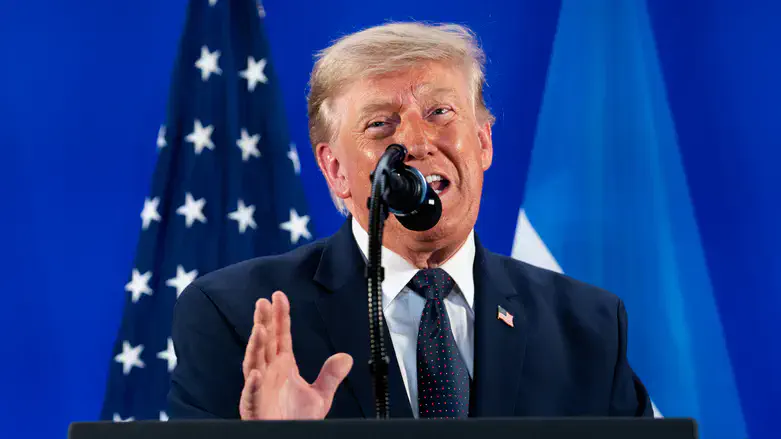 |
| Donald TrumpWhite House Photo by Daniel Torok |
For the first time in 13 consecutive nights, the United States did not carry out military strikes against Iran overnight, but Israeli defense officials are maintaining a high state of readiness amid expectations that Washington could still launch a major operation.
According to Israeli security assessments, preparations continue for the possibility of a large-scale American strike after plans for such an operation were reportedly postponed over the weekend. Officials believe U.S. President Donald Trump may ultimately conclude that military action is unavoidable. As a result, the Israeli Air Force is expected to remain on heightened alert in anticipation of possible escalation.
Speaking to reporters at the White House early Monday, Trump said no final decision had been made. "They are talking to us right now. They want to make a deal. I don't think they're ready for that. I don't think it's time yet, but I'm willing to listen," he said.
Trump reiterated that preventing Iran from obtaining nuclear weapons remains a central objective. "They can't have nuclear weapons. We don't want to see Washington, or any of our cities, or Israel, and, frankly, the entire Middle East-destroyed with nuclear weapons. If they have such weapons, they will use them," he said.
Meanwhile, U.S. Central Command did not announce any overnight operations against Iran, marking the first such pause in roughly two weeks. Earlier reports indicated that an American naval vessel intercepted an oil tanker attempting to break the blockade of Iranian ports in the Strait of Hormuz, with the incident taking place in waters off Oman.
According to officials cited by The New York Times, U.S. intelligence agencies believe Iran's new supreme leader, Ayatollah Mojtaba Khamenei, is more supportive of developing nuclear weapons than his father, former Supreme Leader Ali Khamenei. Ali Khamenei, who was reportedly killed in an Israeli strike early in the war with U.S. intelligence assistance, had publicly opposed nuclear weapons development on religious grounds.
The report follows news that Iran rejected a ceasefire proposal conveyed by Iraqi Prime Minister Mohammed al-Sudani on behalf of the Trump administration. Iranian and Iraqi officials told The New York Times that the mediation effort came as Trump warned of expanding military action against Iran's critical infrastructure.
Israel is continuing to prepare for the possibility of Iranian retaliation and further escalation. Prime Minister Benjamin Netanyahu convened a limited security cabinet meeting on Sunday to review developments, though no changes have been made to the Home Front Command's civilian guidelines.
With reports of a possible meeting between Netanyahu and Trump, the IDF continues to maintain a heightened level of readiness, assessing that a U.S. strike on Iran could come at any time. The U.S. State Department also issued an updated travel advisory overnight, urging American citizens to avoid travel to Israel as tensions remain high.
Israel National News
Source: https://www.israelnationalnews.com/news/430736

No comments:
Post a Comment