by Majid Rafizadeh
The Iranian regime has repeatedly shown that when it comes to achieving its goals, it has no red lines.
In the midst of ongoing diplomatic efforts and an ostensible truce, Iran launched missile and drone strikes on Kuwait and Bahrain — countries not even remotely involved in its conflict with Israel and the US — and then revealed that it signed a $25 billion nuclear deal with Russia.
Striking them deliberately during a ceasefire appears just part of Iran's blackmail plan to have its neighbors press US President Trump to permanently end military action against Iran, so that Iran will not attack their oilfields.
The Iranian regime has repeatedly shown that when it comes to achieving its goals, it has no red lines. In 2026 -- not even half over -- Iran has targeted multiple Gulf states, Israel, and US bases with countless missiles and drones, causing civilian casualties across the region. This is in addition to reportedly murdering more than 40,000 of its own citizens just in January, as well as decades of murderous terrorist attacks against Americans.
Deals, to Iran's regime, are about getting money to rebuild its military and its nuclear weapons program.
Iran's regime views attacks and expansion as a way to keep on inflicting more attacks and expansion.
Even if a new deal were reached, with temporary halts on uranium enrichment for sanctions relief, what happens after? Iran's regime can buy time. It plays the long game. Just wait out US administrations. A future US leadership could be weaker. In addition to Iran's $25 billion nuclear deal with Russia, it could receive additional help from its other allies, China, North Korea and Pakistan.
Should the IRGC be allowed to "save face" or be removed entirely? Did the Allied forces in World War II allow Germany's Nazi regime to save face? Hardly. There were consequences for criminal behavior, the Nuremberg Trials, as well as searches for war criminals for decades.
The latest attacks on Kuwait and Bahrain clearly show that trusting the Iranian regime with any deal is playing Russian roulette with regional and global stability. The US administration cannot afford to fool its people or itself.
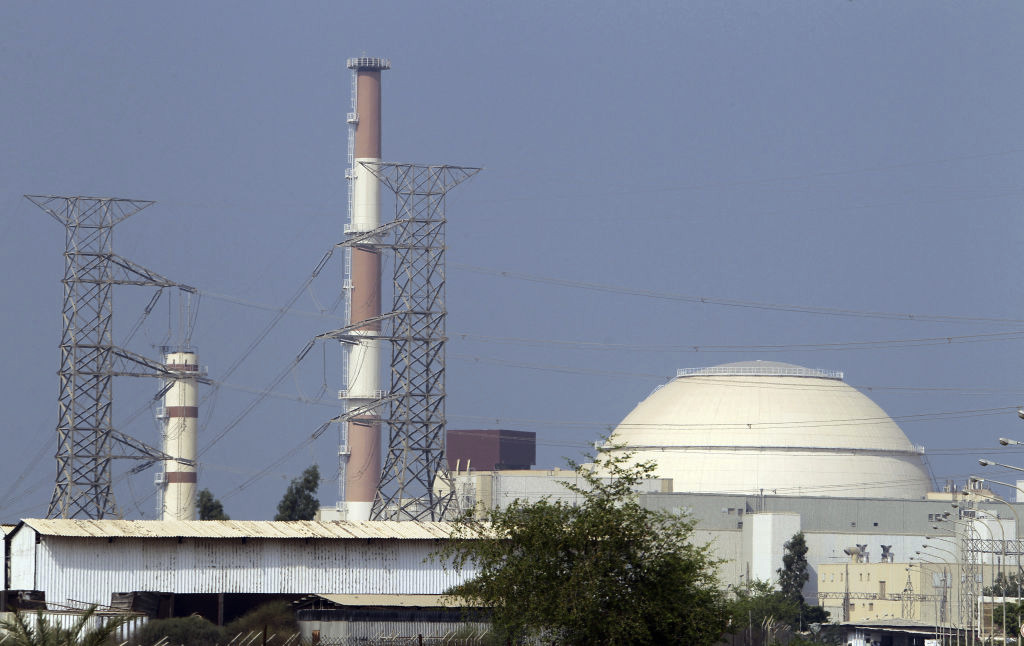
In the midst of ongoing diplomatic efforts and an ostensible truce, Iran launched missile and drone strikes on Kuwait and Bahrain — countries not even remotely involved in its conflict with Israel and the US — and then revealed that it signed a $25 billion nuclear deal with Russia.
Iran's regime, controlled by the Islamic Revolutionary Guard Corps (IRGC), which is headed by General Ahmad Vahidi, appears not to have the slightest intention of decreasing its hostilities.
Kuwait and Bahrain have historically played constructive roles in regional de-escalation, including efforts to mediate or support deals involving Iran and the West. Striking them deliberately during a ceasefire appears just part of Iran's blackmail plan to have its neighbors press US President Trump to permanently end military action against Iran, so that Iran will not attack their oilfields.
Even during a supposed pause in hostilities, Iran has no problem striking neutral and mediating parties. This is not the behavior of an actor seeking peaceful coexistence through deals.
Deals, to Iran's regime, are about getting money to rebuild its military and its nuclear weapons program.
Iran's regime views attacks and expansion as a way to keep on inflicting more attacks and expansion.
The Iranian regime has repeatedly shown that when it comes to achieving its goals, it has no red lines. In 2026 -- not even half over -- Iran has targeted multiple Gulf states, Israel, and US bases with countless missiles and drones, causing civilian casualties across the region. This is in addition to reportedly murdering more than 40,000 of its own citizens just in January, as well as decades of murderous terrorist attacks (such as here and here) against Americans.
Imagine this same jihadist regime armed with nuclear weapons mounted on its ballistic missiles. It would not hesitate to use them.
A regime that casually wounds and kills civilians in non-belligerent states during a ceasefire would likely view nuclear arms as divine permission to wipe out any perceived "adversaries" – meaning anyone who stands in its way, from Israel to neighbors in the Gulf.
Since the 1979 Islamic Revolution, Iranian leaders have repeatedly promised no pursuit of nuclear weapons -- claiming enriched uranium is for "civilian purposes," which they do not even need -- while advancing their nuclear weapons program in secret. They came perilously close to breakout capacity in recent years. Promises and "deals" mean little when the underlying ideology remains unchanged.
Even if a new deal were reached, with temporary halts on uranium enrichment for sanctions relief, what happens after? Iran's regime can buy time. It plays the long game. Just wait out US administrations. A future US leadership could be weaker. In addition to Iran's $25 billion nuclear deal with Russia, it could receive additional help from its other allies, China, North Korea and Pakistan.
The core issue is not uranium enrichment limits or nuclear site inspections. It is the regime itself. As long as the Islamic Republic's regime exists —prioritizing revolutionary ideology, anti-Western confrontation and regional dominance — no agreement will endure. Sanctions relief buys time; it does not change the ruling IRGC. It is to be hoped that Trump, even with the best intentions for the US and its allies in the Middle East, is not setting up the US, its allies in the Gulf, and Israel for more missile and drone attacks, proxy wars, and eventually nuclear weapons.
Should the IRGC be allowed to "save face" or be removed entirely? Did the Allied forces in World War II allow Germany's Nazi regime to save face? Hardly. There were consequences for criminal behavior, the Nuremberg Trials, as well as searches for war criminals for decades.
In the meantime, one of the best sustainable paths to ending the threat posed by the Islamic Republic lies in arming and supporting the Iranian people themselves, who represent the most powerful force for change from within. There are millions of Iranians — young people, women, ethnic minorities, and ordinary citizens — who are deeply disillusioned with the regime's oppressive rule and are willing to rise up against it. Every time they have taken to the streets in protest, as seen in waves of demonstrations over the past decade, they have been brutally suppressed, with many imprisoned and tens of thousands murdered by the IRGC and security forces. Unarmed civilians have confronted a heavily armed totalitarian apparatus backed by massive resources.
By providing targeted support for opposition networks, secure communications, defensive capabilities, and other forms of assistance, the balance of power inside Iran can be shifted. Without changing this fundamental imbalance, the revolutionary ideology will persist, and the cycle of threats will continue indefinitely.
Continuing pressure while avoiding concessions that legitimize or fund its ideology offers the best chance for genuine transformation. Only regime change, or a fundamental shift away from revolutionary zealotry, removes the recurring threat of nuclear weapons breakout, proxy terrorism, and unprovoked strikes on neighbors, Israel, Europe and ultimately the US.
The latest attacks on Kuwait and Bahrain clearly show that trusting the Iranian regime with any deal is playing Russian roulette with regional and global stability. The US administration cannot afford to fool its people or itself.
- Follow Majid Rafizadeh on X (formerly Twitter)
Dr. Majid Rafizadeh is a political scientist, Harvard-educated analyst, and board member of Harvard International Review. He has authored several books on the US foreign policy. He can be reached at dr.rafizadeh@post.harvard.edu
Source: https://www.gatestoneinstitute.org/22584/iran-irgc-regime-must-be-removed

No comments:
Post a Comment