by Lawrence Kadish
The exponential growth of AI has created an unprecedented strain on our electrical infrastructure, making investment in power station reliability and upgrades not merely advisable, but absolutely essential.
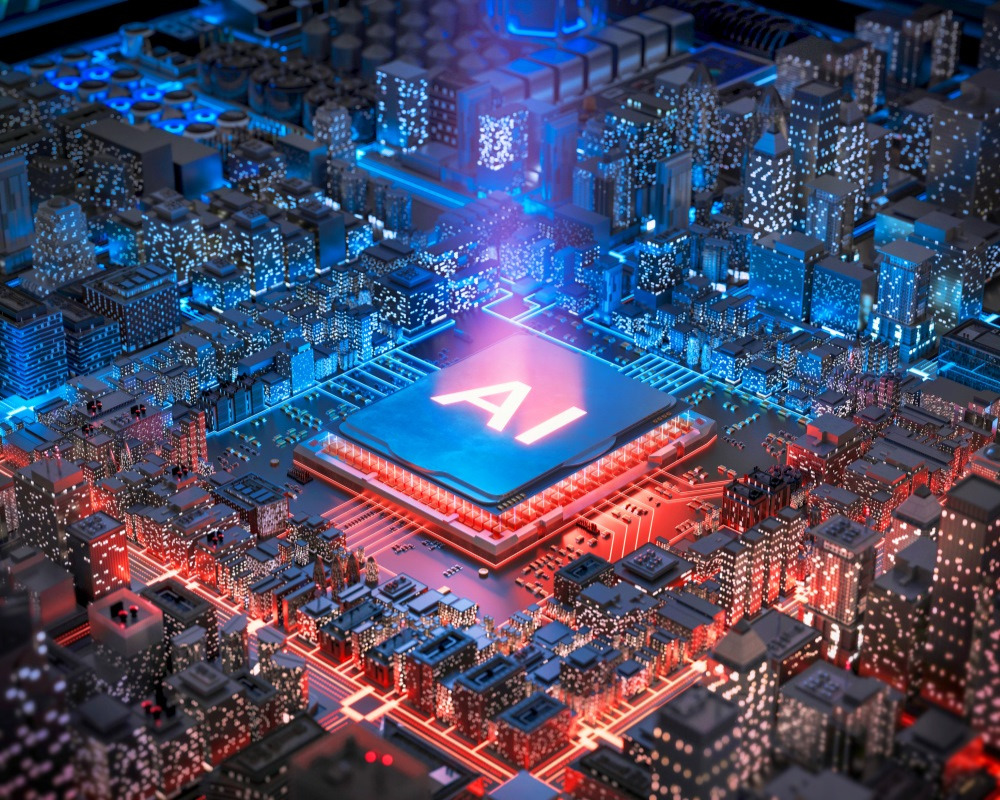
While we continue to focus on the enormous potential of fusion energy, it is important to consider the urgent needs of America's power demands. They are especially crucial when one appreciates that artificial intelligence (AI) is daily demanding inexpensive, reliable, abundant electrical power. Were we to fail, "AI" becomes little more than an abbreviation.
The exponential growth of AI has created an unprecedented strain on our electrical infrastructure, making investment in power station reliability and upgrades not merely advisable, but absolutely essential. Those utilities that miss this priority literally put our nation at risk.
Consider AI's requirements for electricity. Experts say that a single large "training" set used to "educate" artificial intelligence can require as much power as several hundred homes will use in a year. Major technology companies are now competing for access to reliable power sources, with some facilities consuming more than 100 megawatts — equivalent to powering a small city. This demand is projected to double or triple within the next decade as AI accelerates across all sectors, from medical research to national defense.
Existing power stations, many built decades ago, were never designed to handle such concentrated, constant loads. New plants require years to design, review, approve, and build — making the need to update aging, existing facilities vital. That means constant improvements to prevent failure from any number of threats — from mechanical failures to severe weather damage. A single major facility going offline can cascade into regional blackouts, potentially shutting down critical AI systems that now support healthcare, financial markets, transportation networks, and emergency services, among others. The economic cost of such outages will multiply exponentially as our dependence on AI-powered systems continues to grow.
The national security implications are equally compelling. AI capabilities increasingly determine economic and military competitiveness among nations. Countries with unreliable power grids -- unable to support the computing infrastructure required for cutting-edge research and its applications -- will fall behind in the AI race. Our power stations represent critical national infrastructure requiring the same protection and investment priority as any strategic defense system.
Our nation's utility-owners need to appreciate that their current profitability will become a river of red ink if they allow their generating plants to be ignored. Not only do their current plant operators need to be at the top of their game, but the utility industry should be required to identify, recruit, and train the next generation of personnel.
Another facet of America's energy needs is a strong and redundant grid system that allows electricity to get from where it is generated to where it is needed.
Industry analyses reveal that an efficient electric power grid can lower consumer bills, boost regional economies, and assist in job creation. Such studies have determined that every dollar invested in the electric power grid yields up to nearly five dollars in economic benefits. This potential profit has not been lost on China. Last year Beijing announced it would spend $88.7 billion on its country's power grid. As a result, China's transmission system will be able to power the world's largest manufacturing economy.
There is good news. In New York, an additional electrical grid system, Propel NY, is in the midst of final reviews and approvals, creating a vital energy link for the downstate metro region and its ability to keep the lights on when demand is at its peak in a region that powers the state's economy.
In the near future, it will be this advanced method of generating of electricity -- made possible through fusion -- that will protect America's global reach.
In the meantime, AI will continue to dominate the headlines – but it will be America's electrical power stations that determine whether that technology has the energy to fulfill its potential daily. Operating those facilities are the men and women whose skills enable them to keep the plants online, regardless of the challenge. We have to realize that investment in our nation's electrical power infrastructure is strategically vital. So too is investing in its people.
Lawrence Kadish serves on the Board of Governors of Gatestone Institute.
Source: https://www.gatestoneinstitute.org/22197/ai-fusion-power

No comments:
Post a Comment