by Lawrence Kadish
Time and again, adversaries have looked at the United States — loud, divided, seemingly distracted — and concluded that it lacked the stamina or strength for a prolonged fight. Time and again, they have been proven wrong — very wrong.
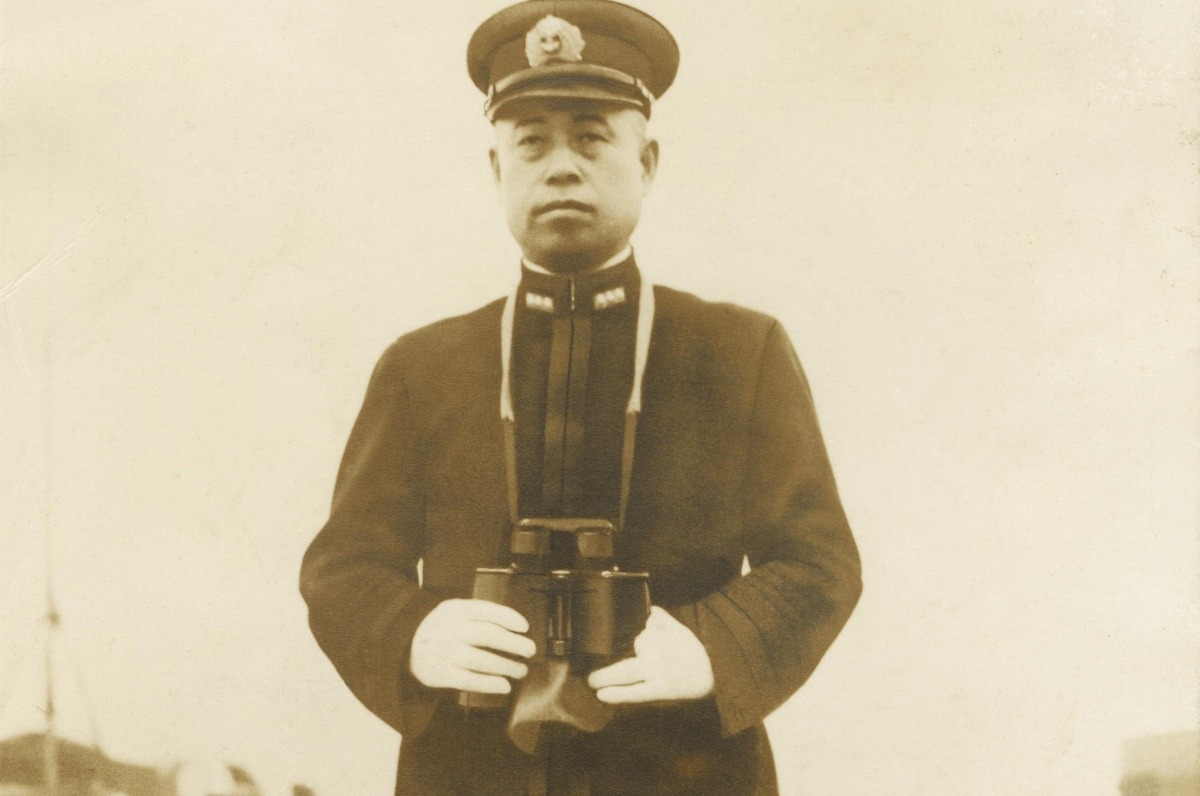 |
| Imperial Japan during WW II offers one example of adversaries underestimating American resolve. Admiral Isoroku Yamamoto, who knew America well, reportedly feared that Pearl Harbor would "awaken a sleeping giant." His warning went unheeded by Tokyo. Pictured: Yamamoto in 1942. (Image source: National Museum of Taiwan History/Wikimedia Commons) |
Published reports suggest that China is inundating its citizens with stories that America is on the decline, inferring that the rest of this century is China's for the taking.
It would be wise for China to read up on global history: those who have mistaken America's raucous domestic debates for weakness often find themselves shocked and defeated.
Time and again, adversaries have looked at the United States — loud, divided, seemingly distracted — and concluded that it lacked the stamina or strength for a prolonged fight. Time and again, they have been proven wrong — very wrong.
Imperial Japan during WW II offers one example. Admiral Isoroku Yamamoto, who knew America well, reportedly feared that the attack on Pearl Harbor would "awaken a sleeping giant." His warning went unheeded by Tokyo, whose leaders believed a decadent, isolationist democracy would sue for peace after a knockout blow. Instead, the attack unified a fractured nation overnight. Within four years, American industry would be completing more than 70 new warships every week and Japanese cities would be unrecognizable.
Nazi Germany made the same error, dismissing Americans as little more than racially inferior citizens of a nation incapable of sacrifice. Hitler declared war on the United States almost casually in December 1941, confident that our military potential was inconsequential. He failed to grasp that America's true weapon was not its standing army — modest at the time — but its capacity to convert automobile factories into bomber plants and boys from Brooklyn to the Bay Area into liberators.
Enter the Cold War. The Soviet Union assumed that a capitalist democracy could never sustain decades of confronting the Bolsheviks' efforts to expand their empire across Europe. Instead, the United States outlasted and outspent its rival across 45 years, and it was the Berlin Wall — not American resolve — that fell.
Even Osama bin Laden built his strategy on the belief the United States lacked sufficient resolve to confront his brand of radical Islamic terrorism. The plume from the fallen Twin Towers and fires at the Pentagon had not even dissipated as America planned its revenge following 9/11.
Now Communist China is confusing America's noisy democracy with paralysis and our debate over Iran, voter fraud, and the economy with the inability to focus on the strategic threat that China presents to America's future. They see our domestic arguments and miss the underlying fact that Americans unite to face a threat; they see an open society that will call out its own faults, while they miss the industrial, financial, and human depth upon which our society is built.
American democracy remains inexplicable to the Chinese communist leadership — so it assumes America is weak, divided and in decline.
The ghost of Mao may want to check in with Hitler, Tojo, and Khrushchev and ask, "So how did that work out for you?"
Lawrence Kadish serves on the Board of Governors of Gatestone Institute.
Source: https://www.gatestoneinstitute.org/22719/underestimating-american-resolve

No comments:
Post a Comment