by Nitsan Keidar
Hat tip: Dr. Carolyn Tal
'Chances of finding survivors alive were slim. But we knew we would do everything we could to help,' Staff Sgt. (res.) Asaf talks about the complex rescue operation carried out by the Israeli delegation in Colombia.
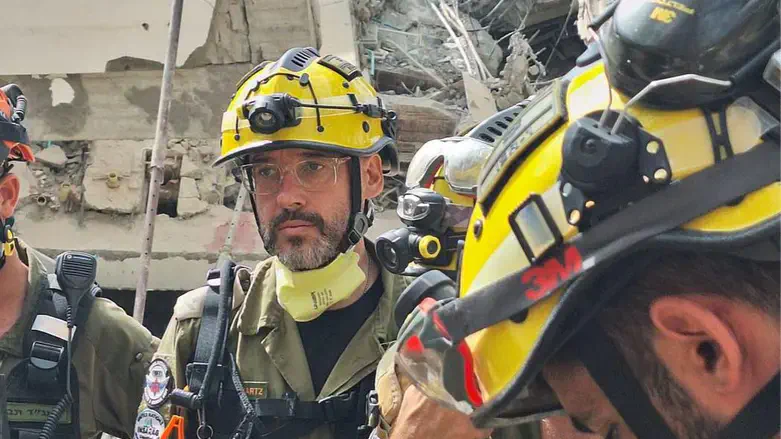 |
| Staff Sgt. (res.) Assaf IDF Spokesperson |
A new year is a good time for Staff Sgt. (res.) Assaf to take a breath and reflect on the intense days he recently experienced during rescue operations following the devastating earthquake in Colombia.
“When the earthquake struck, we began gathering information about the nature of the event, assessing the situation, identifying the dangers and opportunities to help save lives and provide assistance. The unit was ready to be deployed to the area within less than 24 hours, with all the necessary components in place: teams, equipment, vaccinations, logistics and all the required capabilities," Assaf explains.
He adds that the journey to the disaster zone encountered bureaucratic obstacles. “Due to a delay in receiving the official request from the Colombian government, we arrived in Cali approximately 90 hours after the earthquake, at a stage when the chances of finding survivors alive were slim. But hope was still there, and we knew we would do everything we could to help."
A new year is a good time for Staff Sgt. (res.) Assaf to take a breath and reflect on the intense days he recently experienced during rescue operations following the devastating earthquake in Colombia.
“When the earthquake struck, we began gathering information about the nature of the event, assessing the situation, identifying the dangers and opportunities to help save lives and provide assistance. The unit was ready to be deployed to the area within less than 24 hours, with all the necessary components in place: teams, equipment, vaccinations, logistics and all the required capabilities," Assaf explains.
He adds that the journey to the disaster zone encountered bureaucratic obstacles. “Due to a delay in receiving the official request from the Colombian government, we arrived in Cali approximately 90 hours after the earthquake, at a stage when the chances of finding survivors alive were slim. But hope was still there, and we knew we would do everything we could to help."
In an interview with Arutz Sheva - Israel National News, Assaf describes the initial coordination efforts on the ground: “From the earliest stages, we established contact with local officials to understand where assistance could be provided and which organizations were already operating in the field. We discovered that, apart from Israel, not many international delegations had been deployed, with the exception of an American coordination team and several neighboring South American countries that sent assistance.
“We established a common operational language with the local forces, and the unit’s expertise in building assessment and triage was shared with all relevant teams. Upon landing, the unit’s command went to Cali’s emergency operations center, where the areas in which we could make the greatest contribution were mapped out."
The unit’s work focused on three main sites.
“The first site was a complex collapsed structure where locating missing people proved difficult. The local teams had invested considerable effort in the area, but without an effective focus. A MAH team - intelligence, population and engineering - developed a precise work plan, thanks to which all the missing people were located and rescued at the very ‘last minute,’ just before authorities were set to announce a transition to the large-scale debris removal phase."
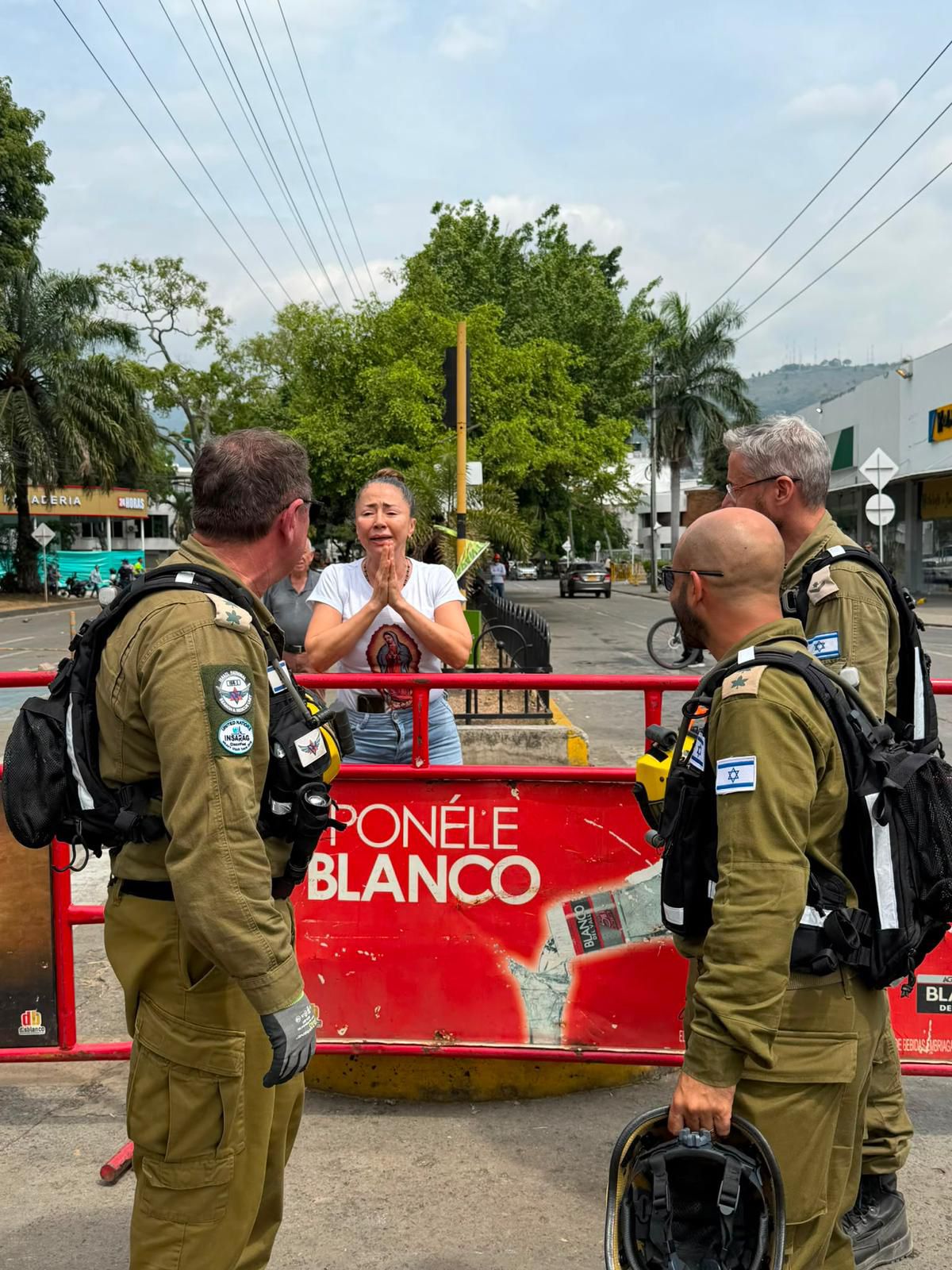
“At another site," Assaf continues, “the local teams refrained from taking action until we arrived. We led the rescue operations there until everyone trapped was reached. At the third site, we rescued people trapped in the rubble while also providing complex engineering guidance. The engineering recommendations made it possible to work safely at the site without shutting down the entire hospital."
Beyond the rescue operations, Assaf notes that the engineering teams helped quickly restore health services and other civilian services to operation and assisted families in returning to their homes. The unit also provided technological solutions for building assessment and integrated them with Cali’s municipal information-gathering efforts.
“The unit’s ability to accurately assess the situation, focus efforts and prevent the waste of resources in order to rescue those trapped as quickly and safely as possible was the main added value we brought to Colombia," Schwartz concludes. “Beyond the warm embrace we received from local residents, we earned tremendous appreciation from municipal and government officials and brought great honor to the State of Israel."
Nitsan Keidar
Source: https://www.israelnationalnews.com/news/433117

No comments:
Post a Comment